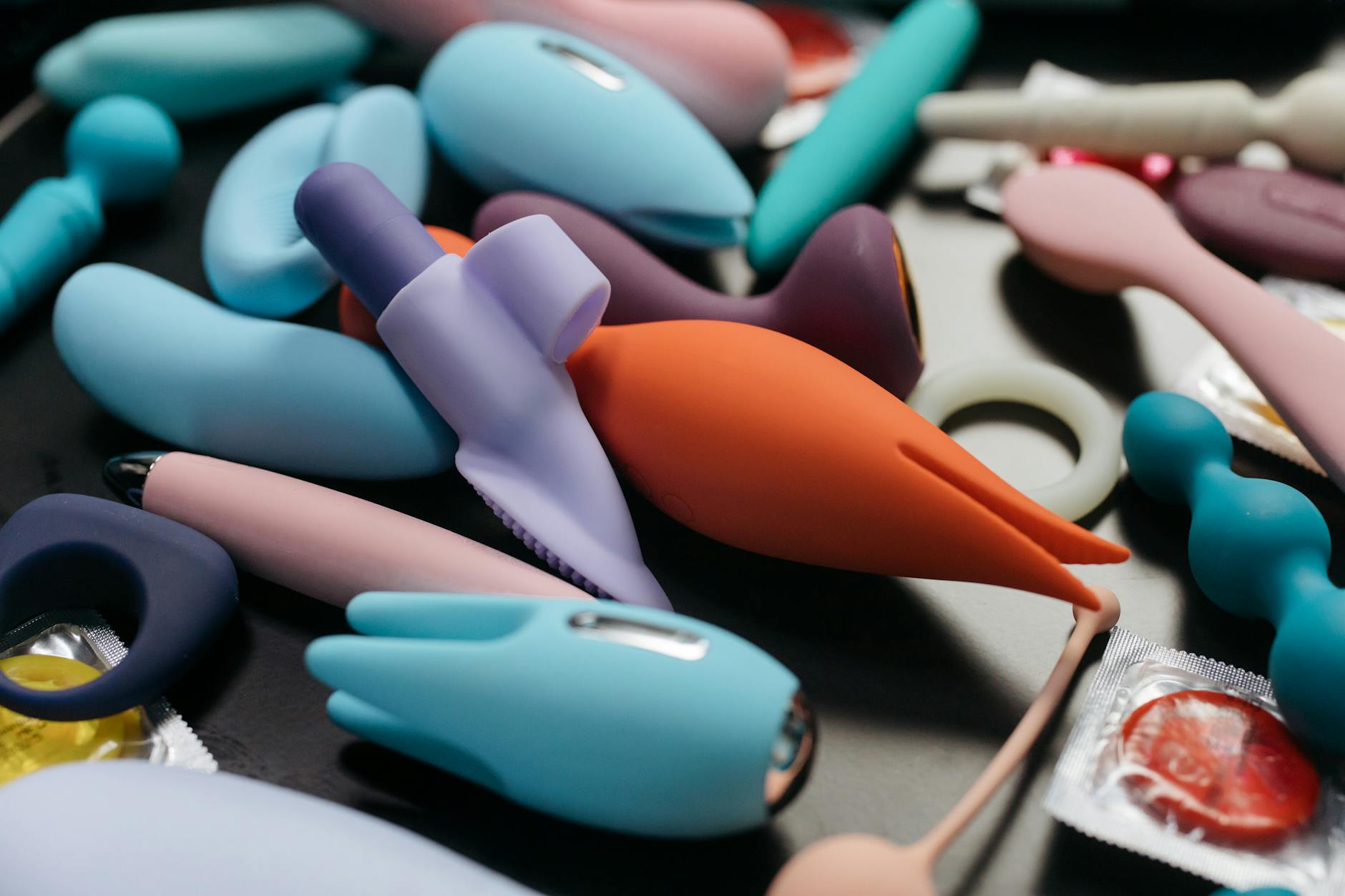
Why Lemon Clitoral Vibrators Work Better for Women in Their Thirties
Let's be real: your body in your 30s is not your body in your 20s. Not in a crisis way. In an upgrade way. By your 30s, you usually know what you actually want (not what you're supposed to want), you've had enough experience to spot bullshit, and your nervous system has settled enough to recognize what genuinely feels good versus what just feels obligatory.
This is also when many people notice that the vibrators that worked perfectly fine before suddenly feel... less perfect. The buzz feels tinny. The pattern feels generic. Or worst of all, the whole thing stops delivering the consistent intensity you've come to expect. This isn't a sign that your pleasure is declining. It's a sign that your pleasure has evolved. And honestly? That's when a lemon clitoral vibrator tends to show up in someone's life for real reasons.
I've worked with dozens of women navigating this exact transition, and the pattern is consistent: your 30s are when suction-based toys often click in a way they didn't before.
What shifts physiologically in your 30s
Your clitoris is not getting smaller. What's changing is everything around it. Collagen production starts a gentle decline, which means tissue firmness changes slightly. Your pelvic floor typically becomes stronger (if you've been using it regularly, or if you've had children). Arousal patterns change. Hormone cycling often becomes more predictable, and some people notice their body responds more selectively to stimulation.
Here's the part nobody explains: traditional vibrators work via rapid percussion. They shimmy. They buzz. They work great if your tissue is thick and forgiving and if your arousal ramps quickly. By your 30s, many people find that direct vibration alone feels less versatile. It's the same motion, the same sensation, every time.
A lemon clitoral vibrator works differently. It uses suction and pulsing patterns that compress tissue rather than hammer it. The sensation builds gradually rather than instantly. The experience is less about frequency and more about pressure and rhythm.
Why pressure and rhythm matter more in your 30s
In your 20s, your body could often orgasm through sheer novelty and intensity. Younger bodies also tend to have faster nerve conduction and higher baseline sensitivity. By your 30s, novelty wears thinner. Sensitivity can feel unpredictable depending on cycle, stress, sleep, and a dozen other variables.
What becomes more reliable is responsiveness to pattern and pressure. Lemon sexual toys deliver both in ways that straight vibration can't. A suction-based tool lets you control the intensity through the strength of suction (start gentle, build gradually) and the pattern (pulses, waves, rhythms). You're not locked into one frequency. You're working with your body's actual arousal arc, not against it.
Many women report that lemon vibrators feel more intuitive in their 30s specifically because the sensation is more customizable and more connected to actual arousal progression. You're not just turning up a buzz. You're guiding a crescendo.
The sensitivity paradox that hits in your 30s
Here's something counterintuitive: even though clitoral tissue can be slightly less reactive to pure vibration, it often becomes more responsive to suction and pulsing. Why? Pressure stimulation activates different nerve pathways than percussion. Some of those pathways actually become more efficient with age (and with experience). Your body learns what works.
This is also when many people notice that switching between tools matters. If you've been using the same traditional vibrator for five or more years, your nervous system has adapted. The buzz that felt mind-altering at 23 now feels routine. This isn't desensitization in the broken sense. It's your brain doing what brains do: habituating to constant input.
Lemon clitoral vibrators feel fresh partly because they're a different sensation entirely. But they stick around in your routine because they often feel more efficient. Faster results. More control. Less fatigue in your hand from holding a buzzing tool for 20 minutes.
Why your attention span for toy preferences shifts
In your 20s, experimentation feels like adventure. You try things, collect toys, see what sticks. By your 30s, most people's pleasure practices narrow (in a good way). You know the difference between toys that look cool and toys that actually work. You're less likely to tolerate anything that doesn't deliver.
This is when lemon suction toys often emerge as favorites because they deliver tangible results. They're engineered to do one thing really well. No gimmicks. No multiple speeds that are secretly just variations on mediocre. The best lemon vibrators have been designed specifically for clitoral stimulation through suction and pulsing.
The practical shifts in your 30s that favor lemon toys
Byy your 30s, your life is usually more complex. You have work stress, relationship negotiation, maybe parenting, maybe health stuff. All of this shows up in your nervous system. Many women find that traditional vibrators feel too harsh or jangling when they're already stimulated. A lemon clitoral vibrator's gradual, pressure-based approach can feel more grounding, less chaotic.
You also likely have better body awareness. You know where you're sensitive. You know your cycle. You know what kind of touch you need on hard days versus easy ones. This self-knowledge pairs beautifully with a toy that offers nuance rather than just volume. Lemon adult toys let you dial in precisely what you need, when you need it.
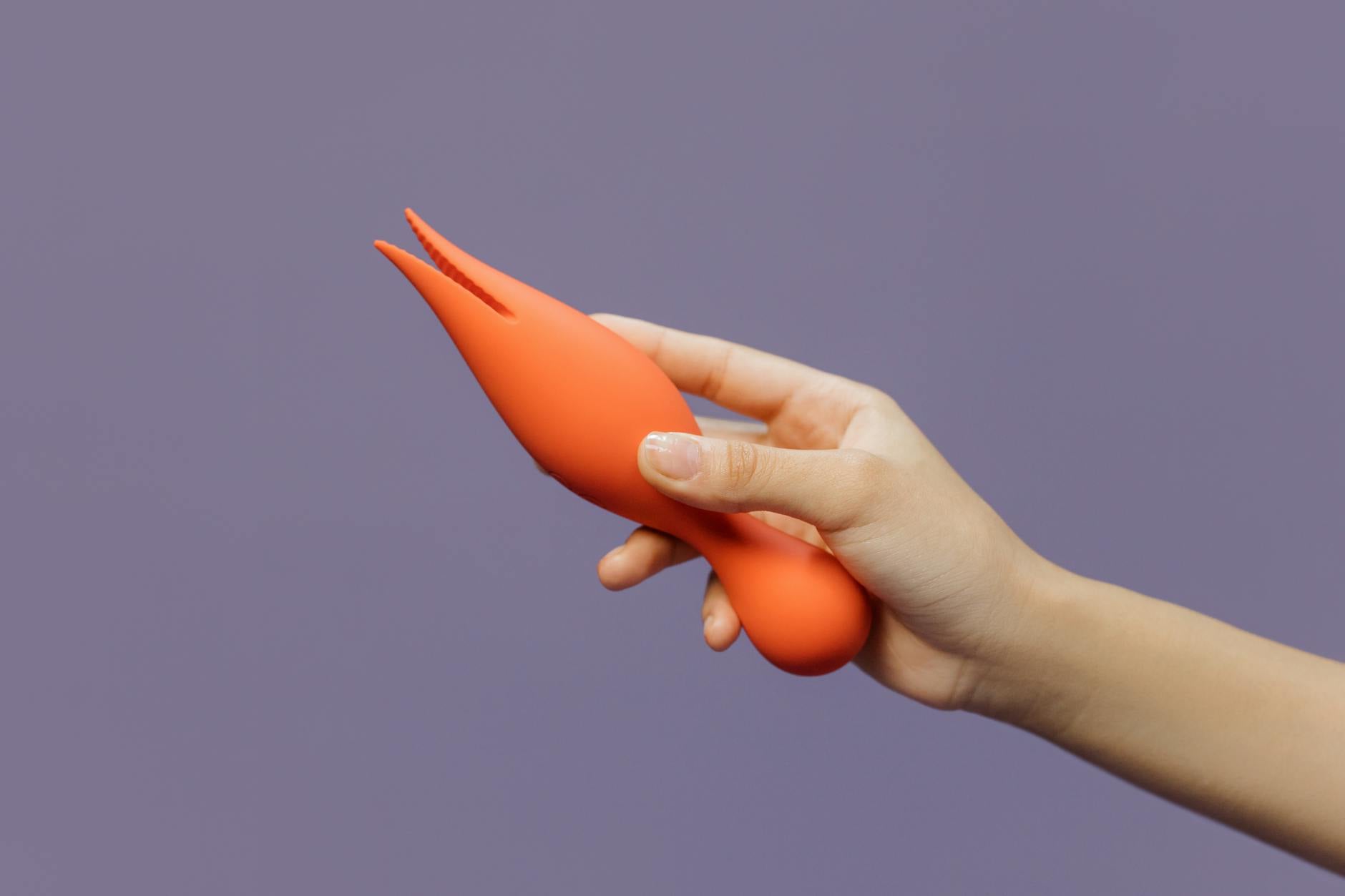
Photo by cottonbro studio on Pexels
The partner dynamics that often shift in your 30s
If you're partnered, your 30s usually bring either deeper intimacy or clarity that something isn't working. Either way, the stakes feel higher than they did at 25. A lemon clitoral vibrator can be genuinely useful here because the suction sensation is visually and physically distinct from penetration. Your partner can see what's happening. The sensation doesn't interfere with their experience of you. And because suction toys tend to work faster and more reliably, partnered sex often feels less like you're chasing an orgasm and more like you're actually present.
Many couples find that introducing lemon vibrators to partnered play in their 30s marks a turning point. Suddenly the pressure to come "naturally" or "fast enough" lifts. The toy becomes a tool for connection, not a failure.
What to expect when you switch to a lemon vibrator in your 30s
If you've been using traditional vibration toys for years, the first thing you'll notice with a lemon clitoral vibrator is the gentleness of the entry. It doesn't assault your nerve endings. It accumulates sensation. This can feel too gentle at first if you're used to high-frequency buzz, but give it three to five uses. Your body will understand what it's building toward, and the sensation will click into place.
Start at the lowest setting. Let arousal build. Notice how pressure and pattern combine. Most people find that they can use a lemon vibrator for longer periods without fatigue or overstimulation, which often means longer foreplay and more satisfying sessions overall.
One practical note: lemon adult toys need different lubrication strategies than traditional vibrators. Water-based lubricant is essential because suction works better with moisture, but it also helps with comfort. This is covered in detail in our guide to lemon vibrator lubrication, but the short version is: don't skip the lube, and don't use silicone-based products with silicone toys.
The confidence piece that often arrives in your 30s
Your 30s are also when many people stop apologizing for what they want. You're less likely to tolerate a partner who's weird about your toys. You're more likely to know that your pleasure is not negotiable. You're clearer on the difference between "I'm broken" and "this tool doesn't work for me."
Lemon vibrators fit this moment beautifully because they're unapologetic engineering. They're designed to work with your body, not against it. They're efficient. They're effective. And in your 30s, when you're usually running a thousand things, that efficiency matters.
Frequently Asked Questions
How is a lemon vibrator different from a regular vibrator?
Traditional vibrators use rapid vibration (shaking). Lemon clitoral vibrators use suction and pulsing (compression and release). The sensation is completely different. Suction builds gradually, responds to arousal, and can feel less intense but more targeted. Many people find the sensation less buzzy and more connected to actual pleasure building.
Will a lemon vibrator feel too gentle after using traditional vibrators?
Possibly at first. If you've adapted to high-frequency vibration over years, suction can feel subtle initially. Give it 3-5 uses and let arousal build fully. Most people find that the sensation becomes more apparent as their body understands the pattern. If it still feels too gentle after a week, a different brand's lemon vibrator might have a stronger suction setting that works better for your body.
Is there a best age to switch to a lemon vibrator?
There's no "best" age, but your 30s are a common pivot point because your body's preferences often shift. You have more body awareness, you know what you want, and traditional vibration sometimes stops feeling as effective. That said, plenty of people in their 20s and 40s prefer suction toys. It's about your body, not the calendar.
Can you use a lemon vibrator if you've had reduced sensation from long-term vibrator use?
Often yes, and sometimes surprisingly well. If your clitoris has adapted to constant vibration, the different sensation of suction can feel novel again. This can sometimes restore sensation better than switching to another vibrator. For detailed guidance on this, see our piece on recovering sensation after long-term vibrator use.
Do you really need water-based lube with a lemon clitoral vibrator?
Yes, strongly recommended. Suction works better with moisture, and water-based lube reduces friction that could be uncomfortable on sensitive tissue. It also helps the seal that creates suction. Silicone-based lubes can damage silicone toys, so stick with water-based products designed for intimate use.
How do you know if a lemon vibrator is right for you specifically?
The best way is to try one. If you're nervous about investing, many Hello Nancy customers start with a lower-intensity model like the Berri and work up. Read reviews from people in your age range and with similar bodies. Look for consistent mentions of suction strength and pattern variety. And remember: if the first one doesn't click, a different brand's lemon vibrator might have the right design for your anatomy.
The actual takeaway
Your 30s are when many people stop accepting "good enough" from their pleasure tools and start demanding actual excellence. Your body has opinions now. You have time constraints. You know yourself. Lemon clitoral vibrators often show up in this decade not because you're broken or because traditional vibrators suddenly don't work, but because your pleasure has evolved, and you deserve a tool that meets you where you actually are.
If you're curious about whether a lemon vibrator might work for you, the best move is to try one. Start at the gentlest setting. Use water-based lube. Let arousal build fully. Most people know within a few uses whether suction is their thing or not. And if it is? You've probably just upgraded your pleasure game for the next decade.