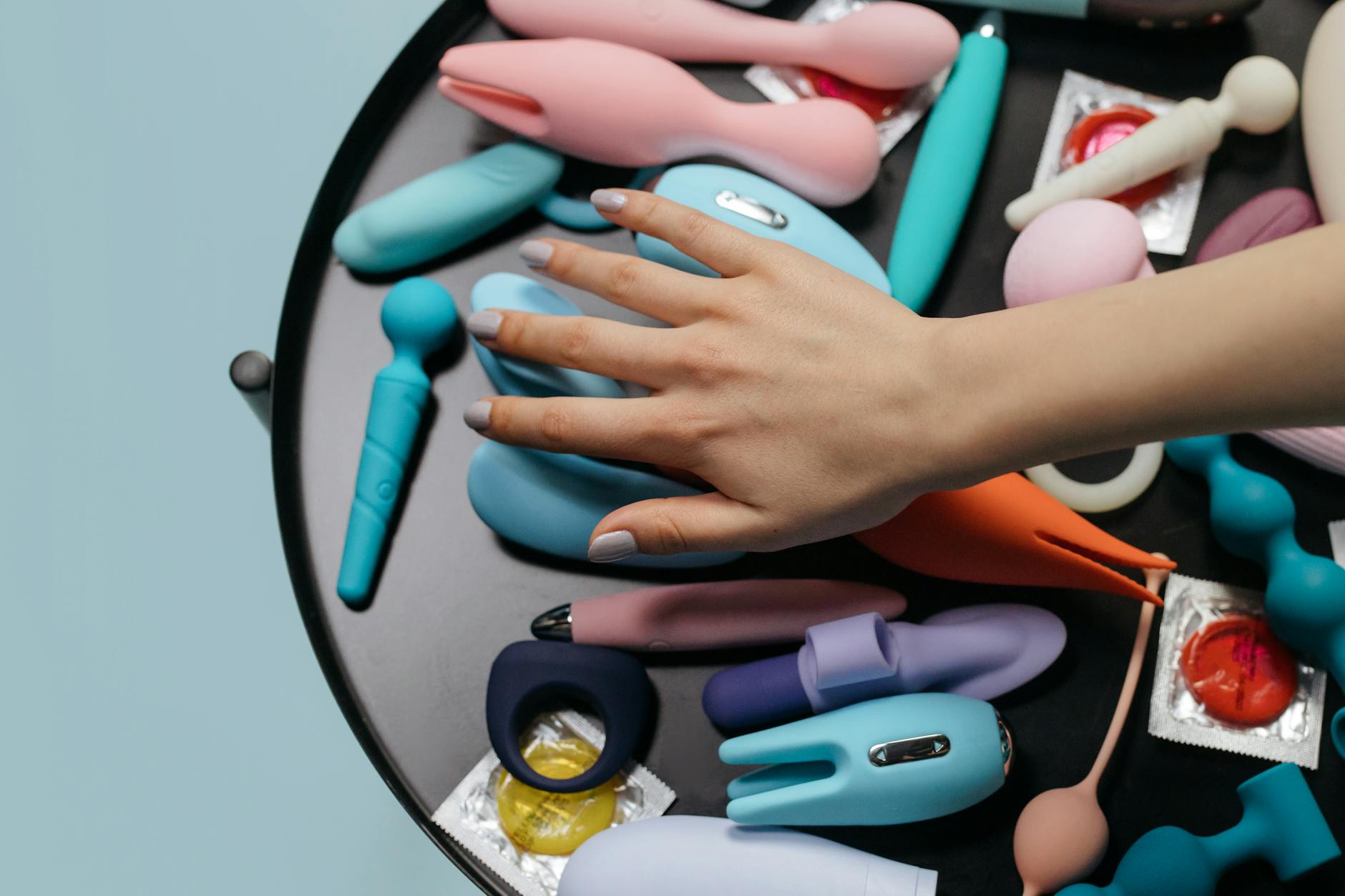
The real reason regular vibrators stop working
Here's what nobody tells you: your clitoris isn't broken. It's just overstimulated.
When you've been using the same vibration pattern for years, your nerve endings adapt. Repetitive stimulation trains your nervous system to tune out that specific sensation, the same way you stop hearing a refrigerator hum once you've lived with it long enough. It's called habituation, and it's not a personal failure. It's actually a sign your body is smart.
But it does explain why your favorite vibrator stopped delivering the same rush. And it explains why regular vibrators often feel even less effective when sensation has dulled. The fix isn't a stronger vibration or a fancier brand. It's a completely different type of stimulation.
Vibration versus suction: two different neurological pathways
This is the key insight that changes everything. Traditional vibrators use rapid back-and-forth motion to stimulate the nerve endings in your clitoris. Lemon vibrators (also called clitoral suction toys or lemon suckers) work through gentle air-pulse technology that creates a rhythmic sensation of suction. Neurologically, they're activating different sensory receptors.
Your clitoris has about 8,000 nerve endings, but they're distributed across different tissue layers and respond to different types of pressure. Vibration primarily engages the surface nerves through repeated mechanical friction. Suction engages deeper tissue layers through changes in pressure and gentle expansion of the clitoral hood. When surface-level vibration has stopped working, it's often because those specific nerve pathways have adapted. Suction typically hasn't, because it's a completely different signal.
Think of it like this: if your body has gotten used to someone tapping on your shoulder repeatedly, you'll stop noticing it. But if someone suddenly switches to pressing and releasing that same spot, your attention snaps back immediately. Same location, different stimulation method, completely renewed sensation.
Why desensitized nerve endings respond better to pressure than vibration
When sensation dulls after years of regular vibrator use, it's usually because the rapid vibration pattern (typically 30-200 Hz depending on the toy) no longer registers as novel or intense to your nervous system. Your brain has literally recalibrated what counts as "worthy of attention" based on what you've trained it to expect.
Lemon vibrators operate at a different frequency and create a pulsing suction sensation rather than vibration. Most air-pulse toys cycle through about 10-15 patterns, many of which are slow enough that your nervous system can't dismiss them as background noise. The sensation is also distributed across a wider area of the clitoris because suction naturally pulls the entire clitoral tissue into the cup. This broader contact area means more nerve endings are firing at once, which can feel significantly more intense even at a "lower" setting.
Additionally, suction-based stimulation engages proprioceptive feedback (your body's sense of where it is in space and what's touching it) in ways that rapid vibration doesn't. That additional sensory layer often breaks through the habituation barrier.
The habituation reset effect
One of the most consistent patterns I see with clients who switch from traditional vibrators to lemon toys is what I call the "reset effect." Because the stimulation method is so different, the clitoris essentially encounters a novel signal again, even if the person is using a lemon vibrator multiple times a week.
This doesn't mean the sensation stays at maximum intensity forever. Habituation is a real neurological process, and eventually you'll adapt to any pattern if it's identical every single time. But lemon vibrators typically have several different pulse patterns built in, so you can rotate through them. A traditional vibrator with one or two speeds offers far less variety, which means habituation happens faster.
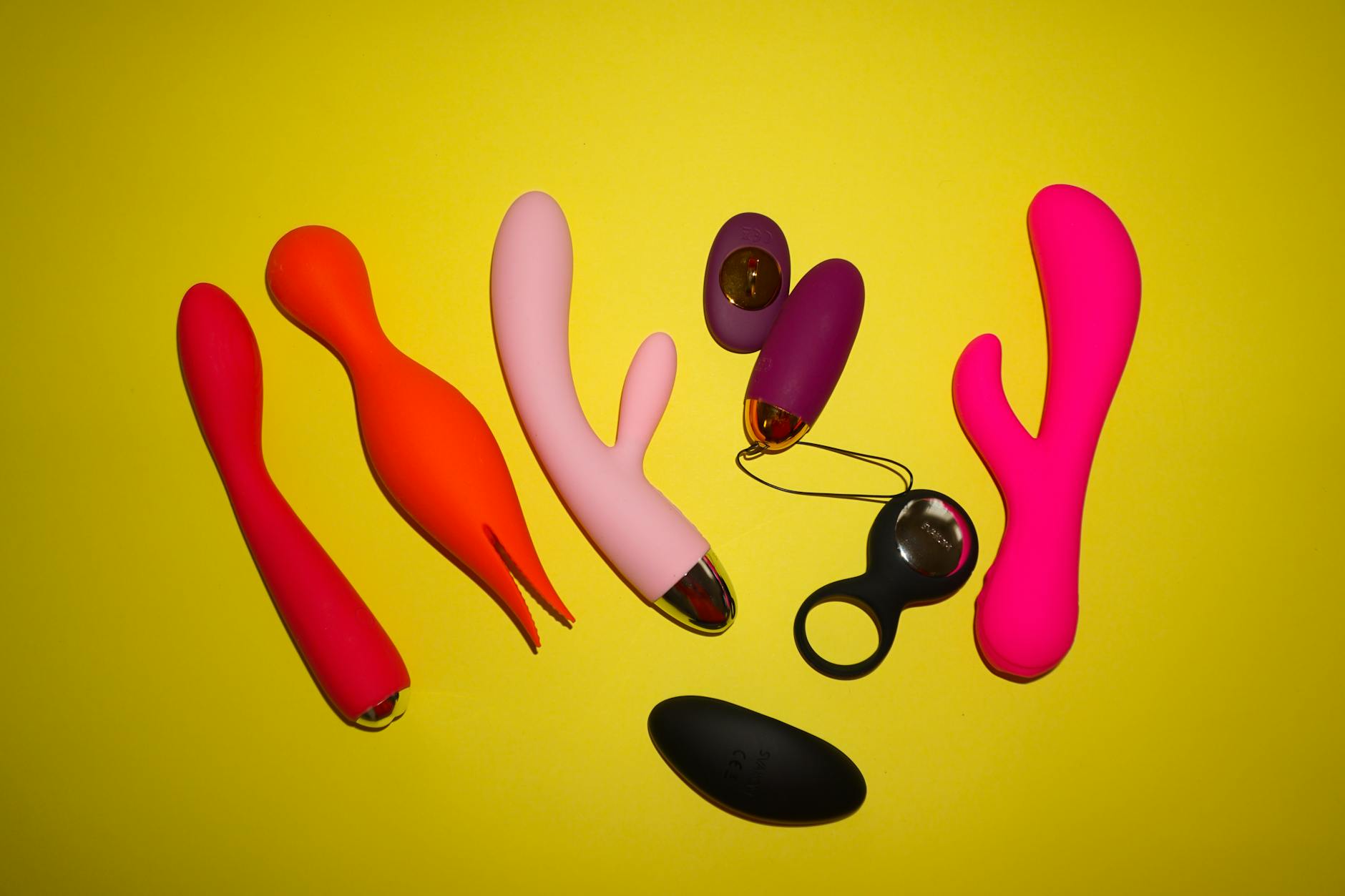
Photo by FounderTips on Pexels
Pressure intensity without tissue damage
Here's another reason lemon vibrators (including products like the Lem) work better for desensitized tissue: they deliver significant intensity without the abrasive friction that can damage sensitive skin.
When someone's clitoris has dulled over time and they want to regain sensation, the temptation is often to use a stronger or more aggressive vibrator. But that can actually cause microscopic tissue damage and inflammation, which makes the problem worse, not better. The tissue becomes irritated and less responsive.
Suction-based stimulation can be quite intense without that friction risk. The air pulses create powerful sensations through pressure changes rather than through grinding motion. This means you can experience deep, satisfying stimulation without any risk of rawness or soreness afterward.
Positioning matters less with suction toys
Another practical advantage: traditional vibrators require fairly precise positioning and pressure to work effectively, especially if sensation has dulled. You have to angle the toy just right, apply the right amount of force, maintain the right pressure. If you're off by even a few millimeters, the sensation can feel weaker.
Lemon clitoral vibrators create a seal around the clitoris once the cup is in place, so the suction sensation happens regardless of micro-positioning shifts. This is why they often feel more consistent and reliable for people with reduced sensitivity. You don't have to constantly adjust or worry that you're not stimulating the "right spot." The suction naturally encompasses the entire clitoral region.
Temperature and texture variation
One thing people don't usually think about: the physical properties of the toy itself matter. Most traditional vibrators are made from rigid silicone or plastic that gets warm with use. Lemon sucker toys are often softer, more flexible, and they don't generate much heat because air-pulse technology doesn't require the mechanical friction that causes heat in vibration-based toys.
For desensitized tissue, this can actually be a significant factor. Warmth can reduce sensation slightly (heat dampens nerve sensitivity), while cool or room-temperature toy contact can feel sharper and more awakening. The softer silicone of many air-pulse toys also creates a different tactile sensation that can feel more novel and engaging.
How to maximize results when switching from vibrators to suction toys
If you're making this transition, a few things help:
Start on a lower pattern. Most lemon vibrators have 10-15 different pulse rhythms. Begin with pattern 1 or 2, even if it feels too gentle at first. Let your nervous system re-engage with gentler stimulation before escalating. This takes about 5-7 sessions for most people.
Rotate patterns regularly. Don't find your favorite setting and stick with it for six months. Switch between different patterns every week or two. This prevents new habituation from forming and keeps sensation fresh.
Warm up longer. Because you're retaining sensation that had dulled, you might need 10-15 minutes of warm-up time (foreplay, arousal building) before the toy feels maximally responsive. That's not a flaw. It's your nervous system recalibrating.
Use the right lubricant. Water-based only. It helps the cup seal better and lets the suction sensation transmit more clearly to the tissue.
The science backs it up
While research on consumer clitoral suction toys is still limited, the underlying neuroscience is solid. Studies on different types of pressure and vibration stimulus show that varying the frequency and method of stimulation significantly delays habituation compared to identical repetitive stimulation. A 2017 review in Archives of Sexual Behavior found that people using varied stimulation patterns reported sustained responsiveness across longer time periods than those using identical patterns.
For desensitized tissue specifically, the switch from mechanical vibration to air-pulse suction essentially creates a "new" stimulus from your nervous system's perspective, which is why the sensation often feels revelatory even if you've been actively pursuing pleasure for decades.
When to stick with your regular vibrator
This isn't a universal prescription. If your vibrator is still working for you, there's no reason to change. But if you've noticed that sensation has flattened over time, or if you've tried stronger vibrators and they still don't feel as good as they used to, lemon vibrators offer a genuinely different experience. It's not marketing. It's neuroscience.
Many people find that a lemon vibrator becomes their primary tool after years of traditional vibrator use, not because it's "better," but because it works through a different mechanism that their body hasn't yet adapted to. Think of it as a strategic reset rather than an upgrade.
People also ask
Can lemon vibrators cause desensitization too?
Yes, eventually. Any repeated stimulus can lead to habituation if it's identical. This is why lemon vibrators come with multiple patterns. Rotating between 3-4 different patterns regularly (switching every week or two) significantly delays habituation compared to using the same pattern daily. If you stick with one identical pattern forever, you'll eventually adapt to that too. The advantage is that you have built-in variety to prevent this.
How long does it take for regular vibrators to stop working as well?
It varies, but for most people, noticeable habituation starts around 6-12 months of consistent use with the same pattern. Some people experience it sooner, especially if they have sensitive nerve endings. Others take longer. The key variable is how much you vary your stimulation. If you use the same exact setting every time, it happens faster.
Are lemon clitoral vibrators safe for very sensitive tissue?
Absolutely. In fact, they're often recommended for sensitive tissue specifically because they don't involve friction. Start on the lowest setting and take your time. The gentle suction sensation can actually feel soothing rather than irritating. That said, if you have active pain or inflammation, it's worth checking with a provider before using any toy.
Do I need special lubrication with a lemon sucker?
Water-based lubricant helps the cup seal better and improves the suction sensation. It's not required, but it does enhance the experience. Avoid silicone-based lubricants with silicone toys, as they can degrade the material over time.
Will a lemon vibrator feel dramatically different the first time I use it?
Yes, usually. Most people report that the sensation feels noticeably unfamiliar on the first use, which is actually the point. That novelty is part of why it works when traditional vibrators have stopped. It typically takes 2-3 uses to understand the different sensation and find your preferred patterns.
Can I use a lemon vibrator with a partner?
Completely. How to Use Lemon Vibrators During Sex With a Partner covers this in detail, but the short answer is yes. Many couples find that the different stimulation method reinvigorates partnered pleasure after habituation has set in with traditional vibrators.
What comes next
If your regular vibrator has stopped delivering the sensation it used to, the problem isn't your body. It's that your nervous system has adapted. Lemon vibrators work through a fundamentally different mechanism, which is why they so often reignite sensation when traditional toys have plateaued.
There's also no shame in experimenting. Pleasure isn't about brand loyalty. It's about finding what actually works for your body right now. If you're curious about trying a lemon vibrator but unsure about which one fits your needs, reach out to the team at Hello Nancy's Lems Shop. We're here to help you figure out what works.