The shift nobody warns you about clearly
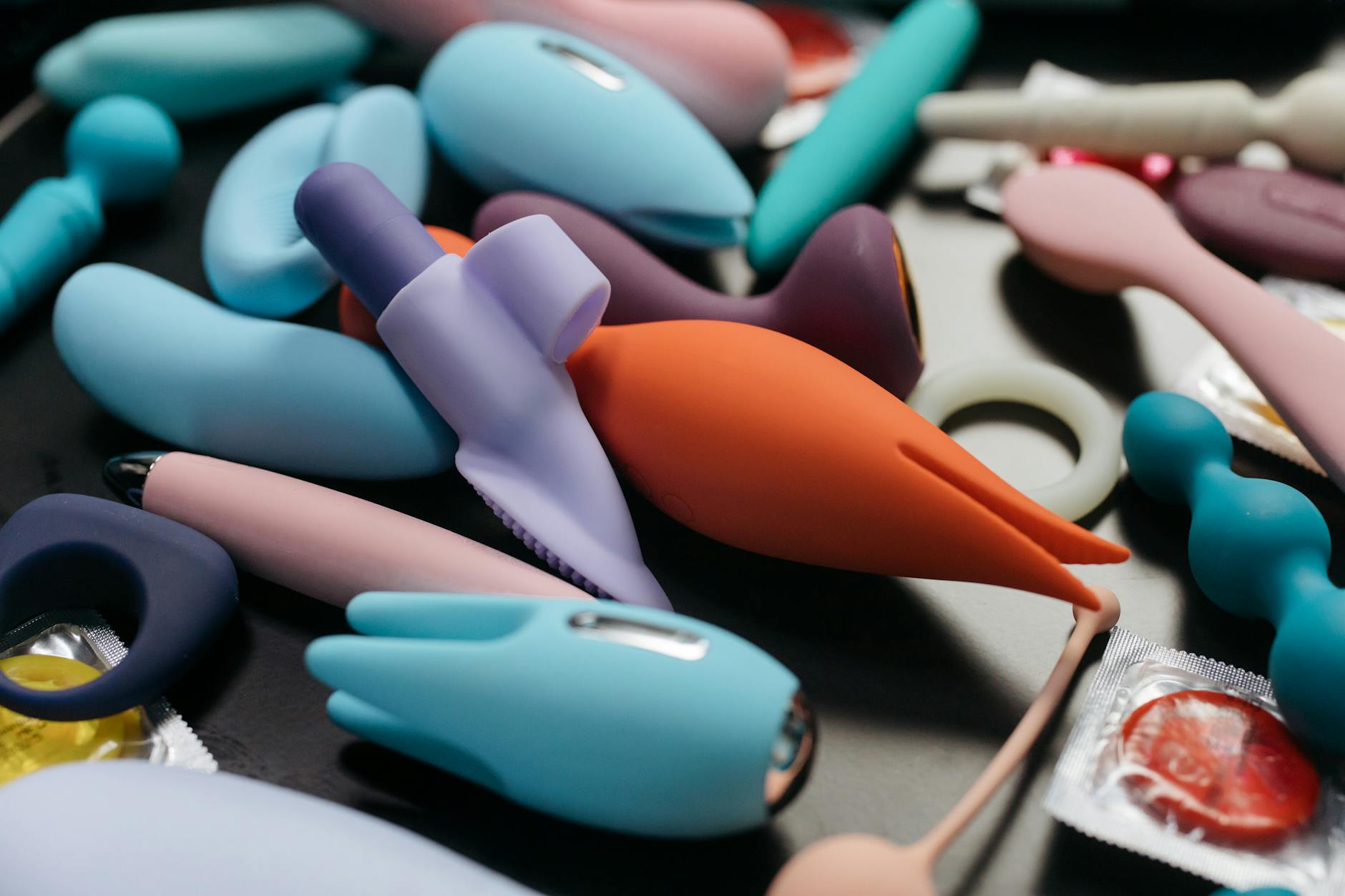
Menopause changes how lemon vibrators and other clitoral toys feel against your body. Not in a catastrophic way. Just differently. Your tissues thin slightly from lower estrogen. Lubrication takes longer to arrive. The pelvic floor loses some elasticity. And somehow, simultaneously, many people report that their orgasms become more intense than they've ever been. Let me explain what's actually happening and why the right tool makes all the difference.
How estrogen changes tissue response
Estrogen is basically the structural glue for vaginal and clitoral tissue. When levels drop during menopause, the tissue becomes thinner and more delicate. The blood vessels that feed sensation shrink slightly. The natural lubrication your body produces diminishes, sometimes dramatically.
Here's the thing nobody says directly enough: this does not mean sensation goes away. It means sensation changes shape.
Thinner tissue is actually more responsive to certain types of stimulation. This is where lemon vibrators and specifically suction-based adult toys have an unexpected advantage. Instead of relying on direct friction against sensitive tissue, suction stimulates the nerve endings through gentle pulling and release. That same mechanism that works so well for sensitive skin becomes almost ideal for postmenopausal bodies.
Why suction vibrators outperform traditional vibration
Lemon clitoral vibrators use air-pulse technology rather than traditional vibration. The difference sounds technical but feels enormous.
Traditional vibrators create sensation through rapid oscillation. They work beautifully for many bodies, but after menopause, some people find that prolonged direct vibration creates irritation on thinner tissue, even with lubrication. It's not that vibration stops working. It's that the intensity threshold shifts downward.
Lemon sucking vibrators, by contrast, work through a series of gentle suction pulses. Each pulse stimulates a larger area of tissue without the same concentrated mechanical force. The sensation builds differently. Many postmenopausal clients describe it as more of a wave than a buzz, and that wave can build to release without the tissue fatigue that sometimes accompanies traditional vibration.
The Hello Nancy lemon vibrators offer adjustable intensity patterns for exactly this reason. Starting at lower pulse levels and working up means you're not guessing whether your tissue can handle a particular setting.
The arousal timeline actually works in your favor
Menopause also extends the time it takes to become fully aroused. This sounds like a loss. Actually, it's often a gift you didn't ask for.
Before menopause, many people's bodies went from zero to aroused in five minutes. The cultural narrative makes this feel normal. After menopause, the same arousal pathway might take fifteen to twenty minutes. Your body needs more warm-up time, more direct stimulation, more of your own attention before you're ready.
Here's what happens when you actually honor that timeline: you become far more aware of what actually feels good. You're not rushing. You're not performing for anyone else's biological clock. You're exploring your own sensation at your own pace. And that's when lemon clitoral vibrators and similar tools stop being something you tolerate and become something you actually want.
Lubrication is not optional, it's strategic
I want to be completely clear about this because the messaging around menopause and lubrication is weirdly shame-laden. Your body producing less lubrication is a biological fact, not a personal failure. And using external lubricant is not settling for less. It's using physics to your advantage.
Water-based lubrication works beautifully with silicone lemon vibrators. It doesn't degrade the toy, it amplifies sensation, and it protects your tissue from any micro-abrasion. The combination of lube plus suction-based stimulation means your tissue stays comfortable even during longer sessions.
One specific note: silicone-based lubes feel richer and last longer, but they can damage silicone toys. Stick to water-based for your lemon sucker vibrators. Coconut oil might sound appealing, but it's not body-safe and can trap bacteria. Water-based is genuinely your best option here.
Pelvic floor changes and what to do about them
Estrogen also affects the pelvic floor muscles. They lose tone and elasticity, which can make both penetration and some types of clitoral stimulation feel different. The pelvic floor's role during arousal changes too. Your orgasms might feel less intense, or more localized, or suddenly more full-body than before.
The instinct is usually to do more kegel exercises. Here's the actual strategy: balance strengthening work with release work. A tight pelvic floor that you can't fully relax will actually block sensation and make orgasm harder, not easier.
Pelvic floor physical therapy is worth considering if orgasm becomes difficult or painful. But for many people, the combination of longer warm-up time, lemon vibrators at lower intensities, and conscious relaxation of the pelvic floor before and during use solves the problem immediately.
The emotional architecture underneath
Menopause often arrives alongside other midlife experiences. Your relationship might be shifting. Your body image might feel complicated. You might be grieving fertility, or celebrating freedom from it, or both simultaneously. The temptation is to blame all sexual changes on menopause. But sometimes menopause is the vehicle for other conversations that needed to happen anyway.
If you're in a partnership, this is the moment to separate the physical conversation from the relational one. "My body is responding differently to stimulation" is not the same as "I need more attention from you." Both might be true, but they need different solutions. Confusing them turns both into dead ends.
When tissue changes need professional support
If penetration becomes painful, or if using lemon clitoral vibrators causes burning or discomfort that doesn't improve with more lubrication and slower warm-up, that's genitourinary syndrome of menopause (GSM). It's real, it's common, and it's highly treatable. Topical estrogen creams can transform the situation in weeks. Talk to a menopause-informed doctor about this.
If desire has vanished entirely, testosterone therapy is worth discussing with a specialist. It's not prescribed routinely in all countries, but it's available and often transformative for people whose testosterone dropped significantly during menopause.
What makes the difference: you, plus the right approach
Menopause changes lemon vibrators' role in your life. It doesn't end it. The specifics of what you need might be different. You might need more lubrication, longer warm-up, lower starting intensities, and a suction-based toy rather than traditional vibration. You might need to rebuild connection with your own pleasure after years of prioritizing someone else's.
But here's what stays true: your capacity for pleasure doesn't end at menopause. It transforms. And many people find that on the other side of menopause, the pleasure is actually better, because it's finally entirely theirs.
FAQ: Common questions about lemon vibrators and menopause
Do lemon vibrators work less well after menopause?
No. They work differently. Suction-based lemon clitoral vibrators often work better for postmenopausal bodies because suction doesn't rely on direct friction the way traditional vibrators do. Thinner tissue actually responds well to gentle suction if you start low and build up gradually.
Should I use more lubrication with lemon vibrators after menopause?
Yes. Water-based lubrication stops being optional and becomes essential. It protects your tissue, amplifies sensation, and means you can use your lemon sucker vibrator comfortably for as long as you want. Apply it generously and reapply as needed.
How long does it take to get aroused after menopause?
It varies, but fifteen to twenty minutes is common compared to five or ten minutes before menopause. This isn't a problem to solve. It's information to work with. Extending your warm-up time usually makes the whole experience better, not worse.
Can menopause make orgasm impossible?
No. Orgasm is absolutely still possible and often more intense than before. The pathway to orgasm might be different. The intensity might feel different. But the capacity doesn't disappear. If orgasm becomes genuinely difficult, that's worth discussing with a doctor because GSM or other factors might be involved.
Is it normal for lemon vibrators to feel too intense after menopause?
Yes. Thinner tissue can make even moderate intensity feel strong. This is why adjustable suction-based toys are helpful. Start at pattern one and work up. You might find that you actually prefer lower intensities because the sensation is clearer and less diffused.
Should I try different types of lemon clitoral vibrators after menopause?
Maybe. If traditional vibrators feel uncomfortable, suction vibrators like Hello Nancy's lemon vibrators are often the answer. You might also find that your preferences shift. Some people discover they prefer longer, slower warm-up with lower intensities over quick, high-intensity sessions. Experiment and pay attention to what actually feels good.
The bottom line
Menopause changes the experience of pleasure. It doesn't end it. The lemon vibrators and clitoral toys that work best for your body after menopause might be different from what worked before, but that's actually information, not loss. Suction-based lemon suckers, generous lubrication, longer warm-up time, and attention to what your pelvic floor is actually doing usually solve the puzzle quickly. And then you get to discover that your best orgasms might genuinely be ahead of you, not behind.
If you want to explore how different tools and approaches might work for your specific situation, we're here to help. Reach out at /contact and let's talk about what would serve you best.