Why your favorite toy suddenly feels wrong
Here's the thing nobody tells you straight up: your body isn't broken when pleasure feels different after a hormonal shift. It's adapting. And that adaptation changes everything about how you respond to stimulation, including which toys actually work.
When estrogen levels drop (whether from perimenopause, postpartum recovery, medication, or stress), clitoral tissue becomes thinner and more sensitive. Blood flow changes. Nerve response alters. Traditional vibrators, which rely on intense direct pressure, often feel too harsh or overstimulating now. That's not a flaw in you. That's a signal that you need a different approach.
Lemon vibrators work differently. Instead of friction, they use gentle suction and pulsing patterns that adapt to your body's new baseline. Understanding why this matters means understanding what's actually happening beneath the surface.
How hormones control clitoral response
Estrogen does more than regulate your cycle. It maintains tissue thickness, elasticity, and the layers of lubrication that protect sensitive nerve endings. When estrogen drops, that protective layer thins out. Your clitoris becomes more exposed, more reactive to pressure.
At the same time, nerve sensitivity paradoxically increases in some areas while becoming duller in others. You might find that direct vibration feels painful or numb at the same time, or that you need longer warm-up periods. Your arousal response slows down. Orgasm might take longer or feel less intense.
This isn't dysfunction. It's a biological reality that your pleasure strategy needs to shift with it.
Traditional vibrators were designed with a single operating principle: intensity. The faster and harder they buzz, the more stimulation reaches nerve endings. That works fine when your tissue has a thicker protective layer and higher baseline sensation. But when hormones change, that same vibrator can feel like you're pressing a jackhammer against delicate skin.
Why suction works better during hormonal transitions
Lemon clitoral vibrators use pneumatic suction rather than vibration. That means they create a gentle seal around the clitoris and pulse rather than buzz. The sensation is fundamentally different at a neurological level.
Suction stimulates a different set of nerve fibers than direct pressure does. Instead of triggering surface-level touch receptors, suction engages deeper pressure receptors that respond better when tissue is thin or sensitive. The pulsing patterns feel rhythmic and building rather than constant and invasive.
For people navigating hormonal changes, this distinction matters enormously. You get stimulation without aggression. You get sustained intensity that builds gradually rather than hitting you all at once.
Another advantage: suction is self-regulating. Your body's natural response determines how much pressure actually reaches the tissue. With a traditional vibrator, you're fighting against the device's fixed intensity. With a lem vibrator, the suction adapts to your body's contours and responsiveness.
The recovery timeline after hormonal disruption
If you've just come off hormonal birth control, finished breastfeeding, or entered perimenopause, your body needs time to recalibrate. This isn't an overnight process. Tissue regeneration takes weeks to months. Nerve sensitivity gradually normalizes.
During this recovery window, switching to a lemon sucker vibrator prevents frustration and actually helps rebuild sensation faster. You're not pushing against your body's current state. You're meeting it where it is.
Many people report that using a lem vibrator during this transition period helps them reconnect with pleasure rather than chasing it. Instead of wondering why your usual approach stopped working, you're exploring what actually does work right now. That psychological shift matters as much as the physical one.
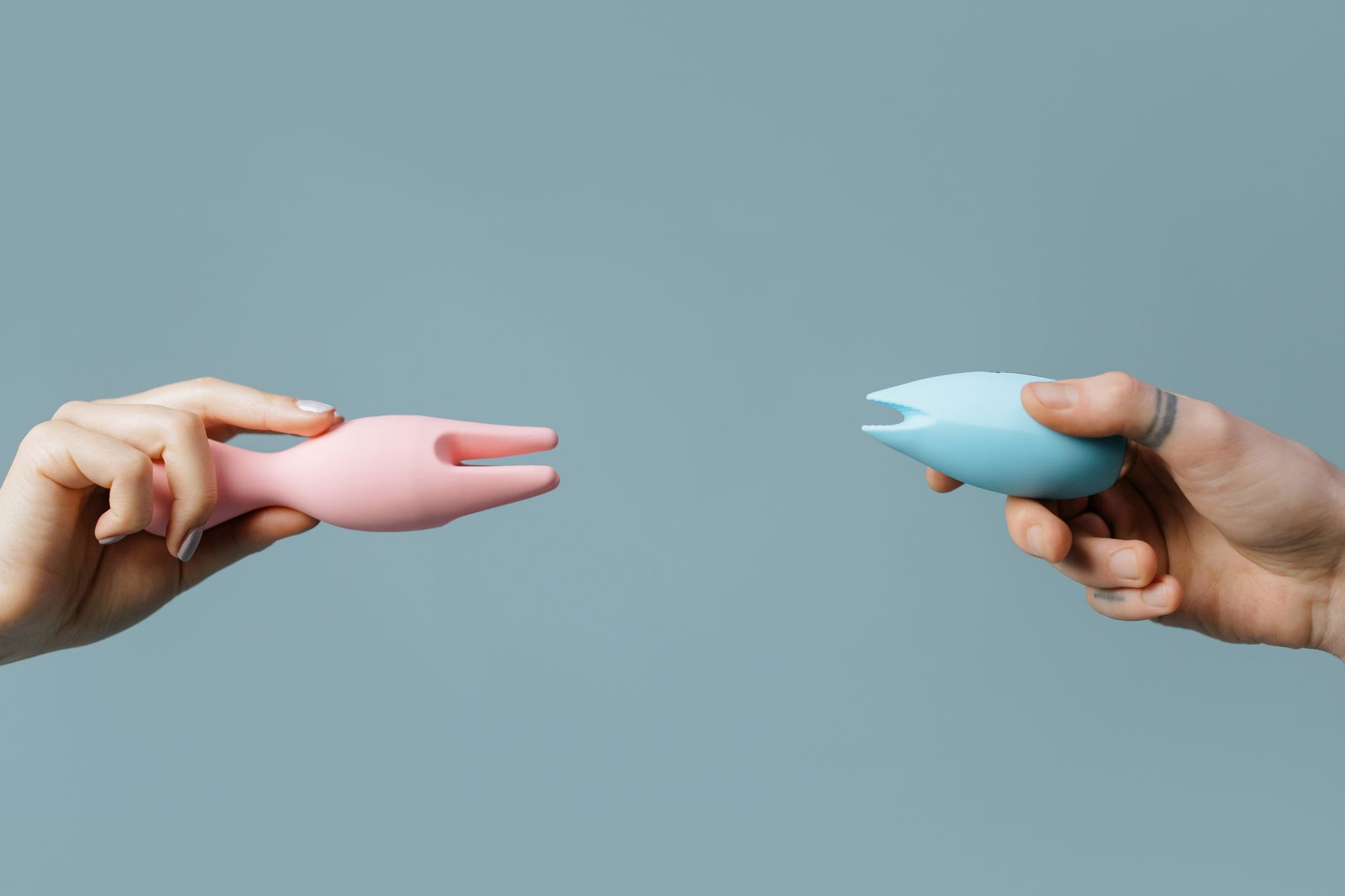
Photo by cottonbro studio on Pexels
Practical adjustments when switching to lemon vibrators
If you're moving from a traditional vibrator to a lemon vibrator after hormonal changes, a few practical shifts help maximize pleasure.
Start with the lowest pulsing pattern. You can always increase intensity, but jumping straight to level 5 on a device you've never used often backfires. Most people find they prefer patterns 2 or 3, which sounds counterintuitive until you realize how much more stimulation suction delivers compared to vibration.
Add lubricant even if you're producing your own natural lubrication. When tissue is thinner, lubrication serves a protective function, not just a comfort one. Water-based lube works best with silicone lemon vibrators. Silicone lube can degrade the toy over time.
Budget more time for arousal. Your body isn't slower or broken. It's just recalibrating. Fifteen to twenty minutes of warm-up before using the toy helps tissue respond more fully. That warm-up period can actually be pleasurable if you're not rushing.
Experiment with positioning. Suction stimulation sometimes feels more effective at slightly different angles than direct vibration did. You might find that lying on your back works better now, or that you prefer manual guidance initially while the device does its work.
When to know your hormonal shift is stabilizing
After weeks or months of using lemon vibrators through hormonal changes, you'll likely notice pleasure rebuilding. Orgasms come faster. Sensations feel more nuanced. Your arousal ramp-up shortens.
At that point, you have choices. Some people return to traditional vibrators and find they work again. Others discover they prefer the lem vibrator permanently because it delivers a different quality of pleasure altogether. There's no wrong answer.
The real win is recognizing that hormonal changes aren't a loss of pleasure. They're an invitation to explore what works for your body right now. <a href="/blog/how-lemon-clitoral-vibrators-work-for-delayed-orgasms-in-your-40s">Lemon clitoral vibrators work particularly well for navigating delayed orgasms during hormonal transitions</a>, which makes them a smart tool during this recalibration period.
The science of sensation during fluctuating hormones
Here's what research actually shows: tissue thickness directly correlates with vibration tolerance. Thinner tissue responds better to suction and lower-frequency stimulation. Thicker tissue tolerates higher-frequency buzz better.
When hormones fluctuate, you're essentially moving backward along that spectrum temporarily. Your tissue is thinner. Your nerve response is reorganizing. Traditional vibrators don't account for this shift. They operate at the same intensity regardless of your tissue's current state.
Lemon sexual toys account for it. Because suction is pressure-dependent rather than frequency-dependent, they naturally adjust to your tissue's thickness and elasticity. You get consistent pleasure without constant frustration.
Another layer: when hormones drop, your body's inflammatory response sometimes increases temporarily. Intense direct stimulation can trigger inflammation in already-sensitive tissue. Suction stimulation, being gentler and more gradual, avoids this trap. You're working with your body's biology rather than against it.
This is why <a href="/blog/how-to-use-lemon-vibrators-when-arousal-feels-inconsistent-or-unpredictable">lemon vibrators help when arousal feels inconsistent after hormonal changes</a>. The device adapts to unpredictability instead of demanding your body perform at a fixed standard.
Beyond single-variable pleasure
Hormonal changes affect more than just tissue. They change mood, energy, emotional responsiveness, and arousal motivation. A good tool during this transition addresses all of those variables.
Because lemon clitoral vibrators require less mental effort than traditional toys (you're not fighting intensity), they leave more cognitive bandwidth for pleasure itself. You're not distracted by discomfort or frustration. That mental clarity matters more than most people realize.
Connection work matters too. If you have a partner, involving them in the adjustment period often helps both of you adapt faster. <a href="/blog/how-lemon-vibrators-help-rebuild-connection-with-your-partner-after-distance">Lemon vibrators help rebuild connection after distance or disconnection</a>, including the disconnection that hormonal changes sometimes create.
FAQ: Lemon vibrators and hormonal shifts
Why do lemon vibrators feel less intense than my old vibrator?
Intensity isn't the same as stimulation. Lemon vibrators deliver stimulation through suction rather than vibration frequency. Your clitoris is receiving consistent pressure rather than rapid buzzing. It feels different because it IS different at a mechanical level. After hormonal shifts, this gentler approach often produces stronger sensations and better orgasms than your previous device.
Can I switch back to traditional vibrators after my hormones stabilize?
Absolutely. Once tissue regenerates and hormones restabilize, your body can return to higher-frequency stimulation if you want. Many people do. Others find they prefer lemon vibrators permanently because they enjoy the different sensation. Your pleasure preferences don't return to baseline just because hormones do. You might have changed what you actually like.
How long does it take to adjust to using a lemon sucker vibrator after hormonal changes?
Most people notice a difference within the first three to five uses. Full comfort and exploration usually takes two to three weeks. That timeline accounts for both your body's recalibration and your brain learning a new stimulation pattern. Be patient with yourself.
Do lemon clitoral vibrators work for all types of hormonal shifts?
They work for perimenopause, postpartum recovery, hormonal contraceptive changes, and stress-related hormone dips. They also work for medication side effects that dampen sensation. The underlying principle is the same: when tissue changes, suction adapts better than vibration. Your specific hormonal context matters less than your tissue's current state.
Should I use lube with lemon vibrators during hormonal transitions?
Yes, even if you're producing natural lubrication. When tissue is thinner, lube serves a protective function. Water-based is best for silicone devices. You might need more lube than you did before hormonal changes, and that's completely normal.
Can lemon vibrators help rebuild sensation if hormonal changes made me feel numb?
Often yes, because suction stimulates different nerve pathways than vibration does. You might discover sensation in areas that felt numb with your previous device. That said, if numbness is severe or accompanied by pain, see a healthcare provider. Numbing isn't always just hormonal. Sometimes it signals something that needs professional attention.
The bottom line
Your body didn't break. It shifted. And when your body shifts, your tools should shift too. Lemon vibrators aren't just a gimmick for people exploring something new. They're a genuinely different technology that adapts better to hormonal realities than traditional vibrators do.
If you're in the middle of hormonal changes and feeling frustrated by pleasure that used to work, that frustration makes sense. Your body isn't responding like it used to because it isn't the same tissue anymore. But that doesn't mean pleasure is gone. It means you need an approach that meets your body where it is right now.
That's where lemon sexual toys and lemon clitoral vibrators excel. They work with your body's biology instead of demanding your biology work for them. In a transition period, that difference is everything.
Ready to explore? Start with the basics and give yourself permission to go slow. Your pleasure is worth the adjustment time.