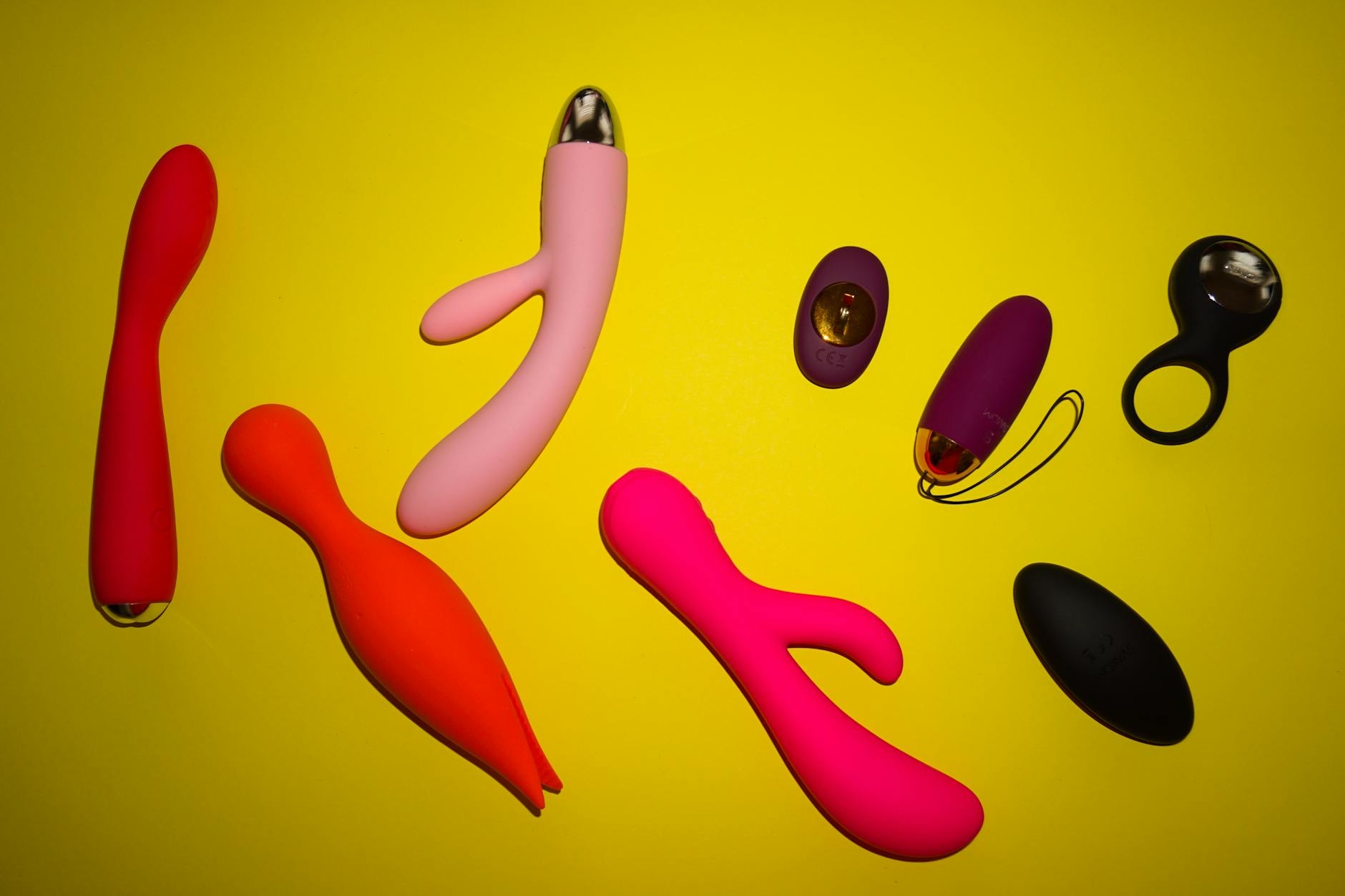
The thing nobody says out loud
Your partner doesn't want you to have a lemon vibrator. Not because they're prudish or insecure. Usually it's deeper: they're worried it means they're not enough, or that you're telling them something about what you need that they can't provide. That fear sits underneath the "I'm not comfortable with that" and makes every attempt to introduce toys feel like you're pushing them into something they've already said no to.
Here's what changes the dynamic: framing lemon clitoral vibrators not as a replacement for your partner, but as something that works better when they're involved.
Why the "don't worry, it's just for me" conversation fails
I've worked with hundreds of couples navigating this exact tension. The pattern is always the same. Someone brings up toys, the other person gets quiet, and then one of two things happens. Either the person pushing the topic backs off completely (which means resentment later), or they push harder (which means the partner digs in). Both paths lead to the same place: toys become a symbol of a deeper rupture instead of a tool for pleasure.
The reason the solo-use pitch doesn't work is simple. When you tell your partner "this is just for me," what they often hear is "you're not giving me what I need." That's not fair, and it might not be true, but it's what lands. Lemon vibrators, air-suction toys, anything external that creates pleasure reads as a referendum on their skill or desirability.
The fix isn't to give up on the toy. It's to change the frame entirely.
The conversation to have instead
Start here, not with the vibrator itself.
Pick a time when you're both calm, fed, rested, and not in bed. Seriously. Bedroom conversations about sex tend to feel like criticism, even when that's not the intent. Sitting on the couch with coffee is a thousand times more effective than pillow talk that goes sideways.
Say something like this: "I've been thinking about our sex life, and I want to be honest about something. I love what we have. And I also think there might be something we could try together that could feel really good for both of us. I'm not unhappy or looking for something different from you. I'm looking for something different with you."
That word: with. It changes everything. You're not looking outside the relationship. You're inviting them in.
Then listen. Your partner might say they're uncomfortable, that they feel threatened, that they think toys are weird. Let them say all of it without defending yourself. This is data. You need to hear what's actually underneath the hesitation before you can address it.
The specific fears, and what actually helps
Fear 1: "You want this because I'm not satisfying you."
The truth is more nuanced. Clitoral vibrators and lemon suction toys aren't substitutes for human touch. They're tools that can help you reach orgasm faster, more reliably, or with a different kind of sensation. That's not commentary on your partner. It's physiology. Address it directly: "The way my body responds to suction is different than what hands alone can create. That's not about you. It's about how my nervous system is wired. When we use this together, I get to experience more, and you get to see me having more pleasure. That's the thing I'm asking for."
Fear 2: "It makes sex feel clinical or less intimate."
This is real and worth taking seriously. If your partner feels like introducing a toy turns intimacy into a production, that's a valid concern. The counter is to normalize it. A lemon clitoral vibrator is as intimate as whatever you're already doing. It's just another sensation in the mix. You might say: "I want to add this to what we already do, not replace what we have. Think of it like adding a new song to a playlist you already love."
Fear 3: "What if you prefer it to me?"
This is the deepest one, and it deserves honesty. Tell your partner: "I might have a more intense orgasm with this. That's not the same as preferring it to you. An orgasm and intimacy are two different things. I want both. I want the pleasure and I want you." If your partner can sit with that distinction, you're most of the way there.
How to actually introduce the lemon vibrator
Once you've had the talk and your partner has moved from "no" to "maybe," here's the tactical piece.
Don't buy it in secret and spring it on them during sex. That will feel like a trap. Instead, show them a picture or video of what a lemon clitoral vibrator actually looks like. Let them ask questions. Explain how suction stimulation works, why it's different from a traditional vibrator, why the design matters. Knowledge reduces fear.
Then offer to use it together in a context that feels safe. Not the first time you introduce it. The second or third. Pick a moment when you're already aroused and things are going well. Say something like: "I want to try the thing we talked about. If it feels weird, we stop. No judgment." Then follow through. If it doesn't work that time, you try again later. There's no quota.
Your partner might want to hold it. They might want to control the settings. They might want to be inside you while you use it. All of these are ways of staying involved and maintaining intimacy. Encourage it. The goal isn't for them to disappear and let the toy take over. The goal is for you both to be present in the experience.
When your partner comes around (they often do)
Once your partner sees that using a lemon vibrator actually enhances your time together instead of replacing it, the resistance usually softens. Orgasms are louder. Your pleasure is more visible. That tends to feel good for the person making it happen.
Many partners I've worked with say that watching their person experience more intense pleasure with a clitoral vibrator is actually a turn-on. They feel like they're creating that. They also don't have to rely solely on their hands or mouth to bring you to climax. For a lot of people, that's a relief.
The intimacy shifts, but it doesn't disappear. If anything, it deepens because you're having a conversation about pleasure instead of tiptoeing around it.
What if they stay uncomfortable?
Sometimes a partner needs more time. Sometimes they need therapy to explore why toys feel threatening. And sometimes, rarely, you have a fundamental mismatch about what sex should look like.
If your partner refuses to budge after you've had the conversation, you have a choice. You can respect their boundary and not use lemon vibrators when they're present. You can use them alone. You can check in every six months to see if feelings have shifted. Or you can recognize that this is bigger than toys and might need professional support to untangle.
That's not failure. That's clarity. Sex and pleasure matter in a relationship, and so does consent and comfort. If you're at an impasse, a relationship therapist who specializes in sexuality can help you both figure out whether this is a boundary that can be negotiated or a deeper incompatibility.
The reframe that changes everything
Here's what I want you to hold: introducing a lemon clitoral vibrator when your partner is uncomfortable isn't about overriding their feelings. It's about expanding what you can experience together. The conversation isn't a sales pitch. It's an invitation.
Your pleasure matters. So does their comfort. Those don't have to be in opposition. When you frame it that way, the door actually opens.
FAQs: Common questions when introducing toys to resistant partners
How do I know if my partner is uncomfortable because they're insecure or because they genuinely don't want toys in our sex life?
The difference is in the language and willingness to explore. Insecurity usually sounds like "I don't think I'm enough" or "Will you leave me for a toy?" Genuine resistance sounds like "I don't like the idea of objects in sex" or "It doesn't feel right to me." Insecurity often softens when you reassure and include your partner. Genuine resistance might not, and that's okay. You can respect a boundary without abandoning your own needs. A therapist can help you both figure out which one is happening.
Should I use a lemon vibrator alone first, or wait until my partner is ready?
You don't have to wait. Your pleasure doesn't belong to your partner. At the same time, if you're using one secretly and they find out, it can damage trust. The cleanest path is to be honest upfront: "I want to try this with you when you're ready. In the meantime, I'm going to explore it on my own." That's transparency without pressure.
What if my partner agrees but watches the whole time and seems uncomfortable?
That's information. Your partner might need more time before they're truly comfortable. Or they might be gathering comfort by watching and being present. Check in after: "How was that for you?" Listen without defensiveness. You might need to adjust the scenario next time. Maybe they leave the room. Maybe they're involved differently. Communication is the tool that makes everything else work.
Can I use a lemon clitoral vibrator with my partner if they still feel threatened by it?
Technically yes, but you probably shouldn't. Using something your partner has explicitly said makes them uncomfortable isn't expanding your sexuality. It's overriding theirs. The fix is the conversation, not the toy. Once you've actually addressed what's underneath the discomfort, the toy becomes easier to introduce. Rush it and you'll build resentment on both sides.
How long should I give my partner to adjust to the idea of toys?
There's no timeline. Some people need a week. Some need months. Some need therapy to work through why toys feel threatening. Don't use this as an excuse to push indefinitely, but do give real space for someone to come around. Many resistant partners become enthusiastic once they see toys aren't a threat. Patience usually pays off.
What if I'm the uncomfortable one and my partner wants to introduce lemon vibrators?
Your discomfort matters just as much. You get to say no. You also get to explore why you feel that way. Is it insecurity? Inexperience? A genuine preference for sex without toys? Once you know, you can communicate clearly. And your partner gets to decide whether that's a boundary they can respect or a dealbreaker. That's how it works both directions.
The actual solution
Lemon vibrators don't fix relationships, and they're not a substitute for good communication. But when both people are willing to talk about desire, vulnerability, and pleasure without getting defensive, toys become just another way to be close. Start with the conversation. The toy comes after. That's the order that actually works.