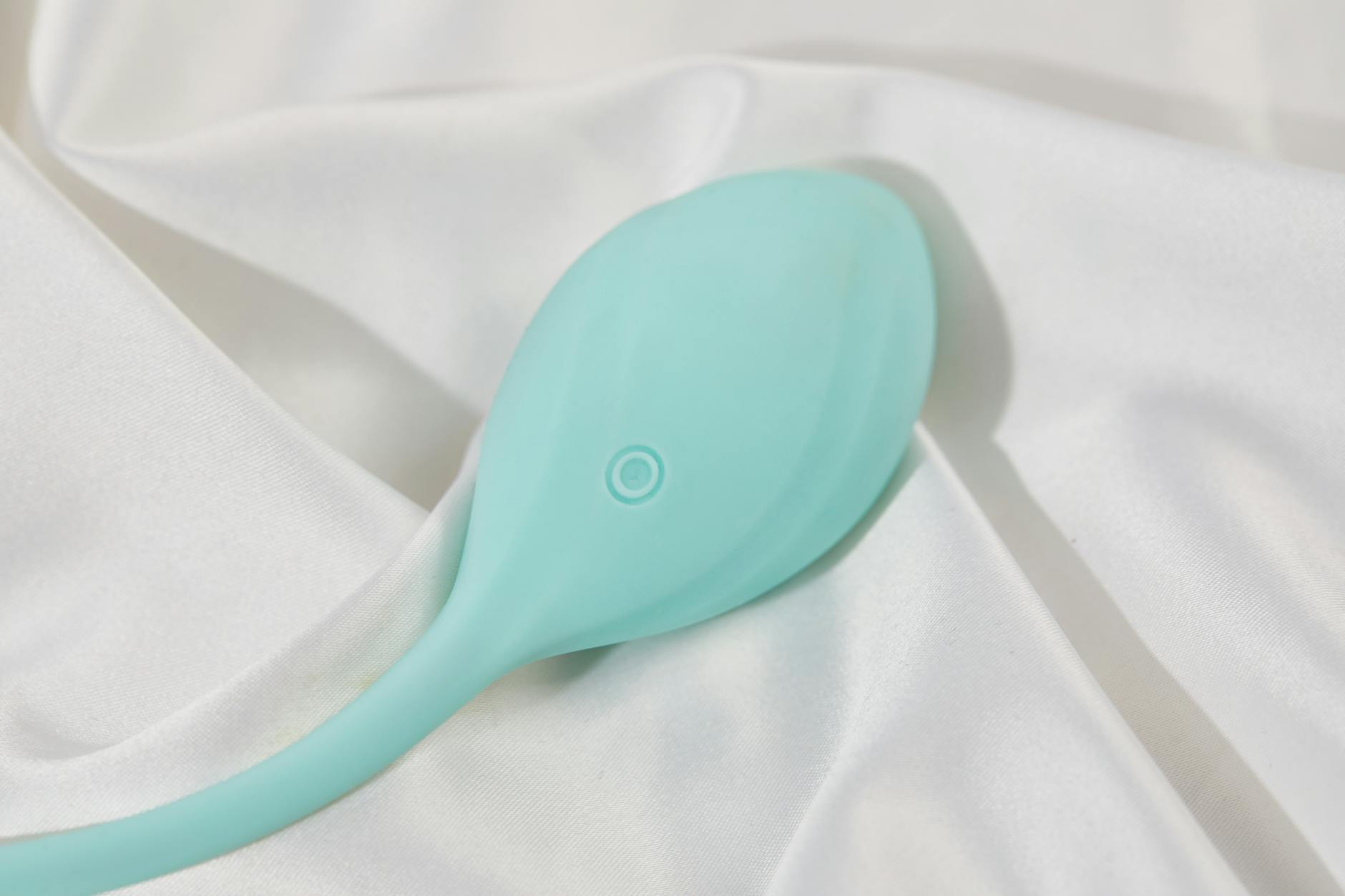
How to Use Lemon Vibrators When You Have Vaginismus or Pelvic Pain
Vaginismus and pelvic floor tension don't have to mean no pleasure. Here's how lemon clitoral vibrators can help you reclaim sensation safely and slowly.
Vaginismus and pelvic floor dysfunction feel like a door slammed shut on pleasure. But here's the thing: the clitoris doesn't live behind that door. It's separate, accessible, and often a crucial part of healing from pelvic tension. A lemon vibrator, used thoughtfully, can actually help you retrain your nervous system and reclaim sensation without triggering pain.
I'm not saying vibration alone fixes vaginismus. Physical therapy, breathing work, and sometimes professional help matter enormously. But for many people with pelvic pain, a clitoral vibrator becomes a bridge back to pleasure while they're doing the deeper work.
Most vibrators buzz. They create rapid back-and-forth stimulation that can feel intense, even overwhelming, when your pelvic floor is already in protective mode. A lemon clitoral vibrator works differently. It uses suction and pulse patterns rather than pure vibration, which means it stimulates the clitoral nerves without the same mechanical shock.
That distinction matters when you have vaginismus or pelvic pain. Your nervous system is already primed to perceive threat. Gentler, more rhythmic stimulation sends a different message to your brain. Instead of "brace," it can say "soften."
The suction action of a Hello Nancy lemon vibrator also gives you more control. You're not at the mercy of rapid oscillation. You can feel exactly what's happening, which builds safety and trust in your own body.
If touching yourself even gently feels risky right now, here's how to begin.
Week 1: External exploration only. Don't even turn the toy on. Just hold it, get used to its weight and shape. Place it against your vulva without activation. Let your nervous system catalog it as safe. Spend five to ten minutes. Repeat three times that week.
Week 2: Very low pulse, short sessions. Turn the lemon vibrator on its lowest setting for ten seconds. Turn it off. Breathe for a minute. Repeat three times in a session. Your pelvic floor will want to grip. Notice that, then consciously relax on your exhales. This is the actual work.
Week 3: Building duration slowly. Increase to 20-30 seconds on the lowest pulse. Sessions stay short. Five to ten minutes total. You're training your nervous system that pleasure doesn't mean pain.
This timeline isn't arbitrary. Trauma-informed pelvic physical therapy teaches us that slow neuroplasticity works better than speed. Your brain learns safety through repetition, not through pushing through discomfort.
Vaginismus lives in breath. When you're aroused but your pelvic floor can't relax, you hold your breath. Your chest gets tight. This signals danger to your nervous system, which tightens the pelvic floor more. It's a loop.
When you're using a lemon vibrator, breathing becomes your tool. Here's the pattern: inhale for four counts through your nose, exhale for six counts through your mouth. Do this for a full minute before you even touch the toy. Your pelvic floor will literally relax on the longer exhale.
Keep breathing like this while using the vibrator. If you notice you're holding your breath, pause, reset your breathing, then continue. You're not training your clitoris. You're training your nervous system to stay calm while receiving pleasure.
Many people with vaginismus tell me that this breathing piece, on its own, changes the experience more than the toy does.
Your pelvic floor isn't your enemy. It's trying to protect you. When you have pain or fear, it contracts. That contraction is a trauma response, not a character flaw or a dysfunction you need to force away.
When you use a lemon clitoral vibrator as part of healing vaginismus, you're not fighting the pelvic floor. You're showing it that this sensation is safe. Repetition and consistency matter more than intensity.
If you can, combine vibrator use with pelvic floor relaxation exercises. The most effective are often paradoxical: contract the pelvic floor for two seconds, then completely release and let it fall. Do this ten times. Then relax deeply for a minute. This teaches the muscles that they can let go. Many pelvic physical therapists recommend doing this before and after using any vibrator when you have tension-based pain.
Even though you're focusing on clitoral stimulation, lubrication matters. Your vulva is likely more sensitive than it used to be, and friction can feel sharp instead of pleasurable. A water-based lubricant adds glide and reduces any sense of roughness.
Apply it to your clitoris and the tip of the lemon vibrator. Reapply as needed. There's no shame in using more lube than you think you need. For people with pelvic pain, extra glide often means the difference between pleasure and pain.
If you have a partner, they're likely scared too. Vaginismus often comes with shame, and many people with pelvic pain assume their partner has left or will leave. Usually that's not true.
The conversation is simple: "I'm working on healing my pelvic floor. Using a toy helps me learn that pleasure is safe. I'd like you here, but doing nothing. Just being present while I explore at my own pace."
Your partner's job is witness, not participant. They sit with you, maybe holding your hand. They don't touch the toy. They don't try to speed things up or offer advice. This might sound boring to them, but it's profound for your nervous system. You're learning that pleasure can exist while someone you trust watches, without pressure.
Over time, if you want, touch can be added. But that's weeks or months away. For now, presence is enough.
If pain increases, not decreases, over two weeks of consistent practice, pause and talk to a pelvic physical therapist or pelvic pain specialist. Pain during masturbation is not always part of the healing arc. Sometimes it signals something needs adjustment.
Also seek help if you're unable to relax your pelvic floor even with breathing work. That often means there's muscular tension or trauma that needs professional intervention. A good PT can teach you releases specific to your pattern.
You don't have to do this alone. Therapists who specialize in sexual health and pelvic pain often recommend vibrators as part of a broader healing plan. There's no shame in having a professional guide you.
Vaginismus often carries deep messages: your body is broken, pleasure isn't safe, sex means pain. Retraining your body physically doesn't erase those messages overnight.
As you use a lemon vibrator during your healing, notice the thoughts that come up. Are you expecting pain? Waiting for something to go wrong? That's normal. You're rewiring years of protective responses.
Gentleness toward yourself isn't optional. This is healing work, not performance. Pleasure will return, but it comes through consistency and patience, not willpower.
Not if you start slowly and listen to your body. If you jump to high intensity, yes, it can cause more tension. But low-pulse, short sessions with breath work actually retrain your nervous system to stay calm during arousal. The key is starting at the absolute lowest setting and staying there until your system is ready for more.
There's no fixed timeline. Some people see shifts in two to three weeks. Others need months. The research suggests that consistent practice (three to five times per week) produces better results than sporadic use. Think of this like physical therapy for your nervous system. Consistency beats intensity.
Ask your physical therapist first. Most recommend it, especially once you've done foundational relaxation work. Many PTs actually guide their clients toward clitoral vibrators as part of treatment. If your therapist hasn't mentioned it, bring it up.
No, not at the same time. Do your pelvic floor relaxation work first, then use the vibrator separately. Some people find that combining them confuses their nervous system. Keep them as distinct practices at first.
That's completely valid. You control the pace and the tool. It's fine to do this alone until you feel ready to involve your partner. Some people with vaginismus need months of solo practice before partnered use feels safe. There's no rush.
Yes. The suction-based pulse pattern of a lemon vibrator tends to feel less jarring than traditional vibration, especially for people with nervous system sensitivity. You have more control over intensity and pattern. That said, what works varies person to person. What matters is starting with the lowest setting and going slow.
Vaginismus and pelvic pain can feel like a wall between you and pleasure. But that wall is made of protective neural patterns, not broken tissue. And neural patterns can shift. A lemon vibrator, used thoughtfully as part of a broader healing practice, can help you rebuild the relationship between your body and pleasure. Slowly, safely, and on your own timeline.
If you have questions or want guidance tailored to your situation, reach out. We're here to help.