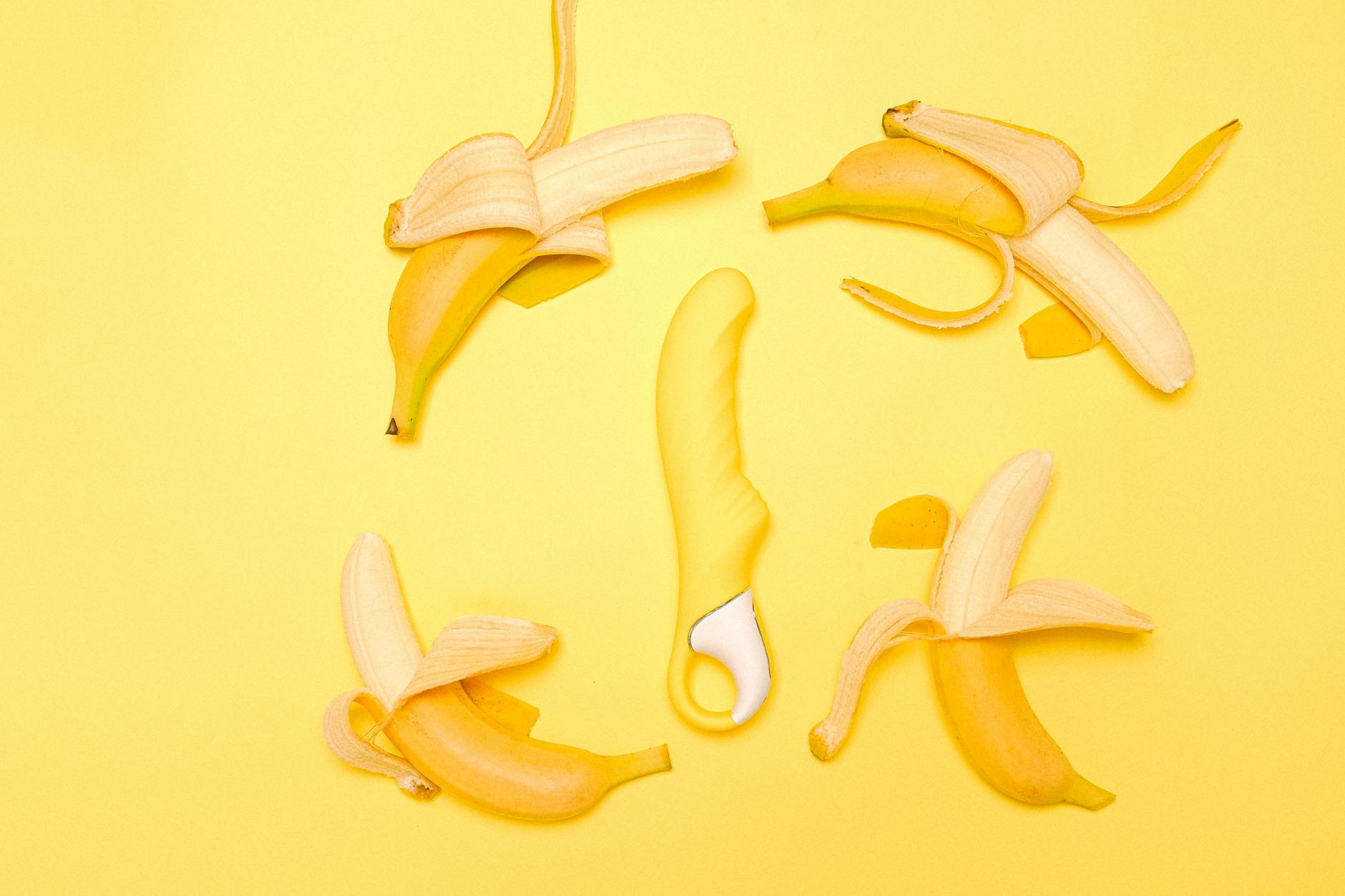
Let's talk about what sensation loss actually feels like
You're touching yourself and something's off. Not painful, not absent. Just muffled. Like your nerve endings are behind glass. You used to feel everything vividly, and now arousal takes longer, pleasure lands softer, or doesn't land at all. That gap between what you remember and what you're experiencing now? It's real, it's common, and it's fixable.
Sensation loss isn't failure. It's feedback. And the good news is that lemon vibrators work differently than the tools that might have contributed to the numbness in the first place.
Why regular vibrators can actually make numbness worse
Repetitive vibration at high intensity does something counterintuitive. It trains your nerve endings to need more stimulation to respond. Think of it like turning up the volume on a speaker every time you listen. Eventually, normal volume feels silent. Your clitoris adapts to constant buzzing by becoming less responsive to it. This is desensitization, and it's mechanical, not psychological.
The vibrations in traditional toys usually range from 3,000 to 10,000 Hz, delivered as persistent buzzing across the entire surface of the clitoris. Over months or years, this can flatten sensitivity. You're not broken. Your body has just gotten used to that specific stimulus.
Lemon vibrators use a completely different mechanism. Instead of constant vibration, they create rhythmic suction and release. This mimics natural clitoral stimulation more closely and doesn't habituate nerve endings the same way.
How clitoral suction actually restores sensation
Clitoral suction works by creating a sealed chamber around the clitoris, then using gentle pulsing to draw blood into the tissue. The pattern is rhythmic, not constant. Your nerves respond to the change, not to continuous input. This pulls your attention into the sensation rather than numbing it away.
When you use a lem vibrator after months or years of traditional vibrators, your nerve endings encounter something novel. They have to pay attention. Blood flow increases, tissue plumps slightly, and the whole area becomes more responsive. This isn't a trick. It's physiology.
I've worked with couples where one partner has developed sensation loss and felt resigned to it. Switching to a lemon clitoral vibrator often reignites things within two to four weeks of regular use. The clitoris doesn't lose capacity for pleasure. It just needs the right type of stimulation to wake back up.
Start with the lowest settings and patience
If you've been using high-intensity vibrators, your impulse will be to crank the new toy up immediately. Don't. The whole point of switching tools is to recalibrate, not to shock your system.
With a lem vibrator, begin at pattern 1 or 2. Spend five to ten minutes exploring that setting alone. Notice what you feel. Numbness often comes with a weird sensation of being present but not quite responsive. That gap closes as your nerves remember they're there.
Increase intensity only when pattern 1 stops producing new sensations. This might take a week. This might take three weeks. The timeline doesn't matter. What matters is that you're training your nerve endings to stay engaged with gentler input rather than requiring assault-level stimulation.
Add lubrication, even if you think you don't need it
Sensation loss often shows up alongside other changes in arousal or lubrication. Water-based lube seems redundant when you're focused on feeling, but it actually magnifies sensation. Here's why: friction creates noise and distraction. Smooth glide lets your nerve endings zero in on the specific pressure and pulse pattern.
Use a small amount initially. Too much lube dulls sensation. A thin layer is the sweet spot. This also protects tissues if they're a bit tender from years of stronger stimulation.
The solo practice phase matters more than you think
When sensation is returning, partner sex adds variables you don't need yet. Timing pressure, performance awareness, someone else's pace. All of that distracts from what you're trying to do, which is rebuild intimacy with your own body.
I recommend at least two to four weeks of solo exploration with your lemon vibrator before bringing it into partnered sex. This isn't about selfishness. It's about establishing a baseline. Once you know what you're capable of alone, partnered use becomes less fraught.
The role of emotional context in sensation return
Here's what most articles miss: sensation isn't only physical. If you've been feeling distant from your body, anxious about performance, or disconnected from your sexuality, numbness often has an emotional layer too.
When you switch to a new tool like a lemon vibrator, you're also resetting the narrative. You're saying to yourself: "This situation can change. My body isn't broken. I'm trying something different." That mental shift often precedes the physical one.
If numbness arrived alongside relationship tension, stress, or trauma, the vibrator alone won't fix it. But it can be a starting point. Once you feel something again, other healing becomes possible.
When to expect changes and what they look like
First phase (week one to two). Suction feels different. Maybe pleasant, maybe weird. You're not expecting much, so anything registers as progress.
Second phase (week three to four). You notice sensations you'd forgotten. Specific pressure feels good. Patterns create rhythm you can anticipate. Arousal builds a little faster.
Third phase (week five plus). You start experiencing genuine pleasure again. Orgasms may feel different than they used to, but they're coming more easily. The numbness lifts enough that you're not thinking about it anymore.
Not everyone follows this exact timeline, and that's fine. The point is that restoration usually shows up gradually, not suddenly.
Lemon vibrators vs. the tools that created the numbness
The comparison matters because marketing often blurs the line between "more powerful" and "better." A lemon vibrator isn't the strongest toy you can buy. It's not trying to be. It's trying to be effective without causing habituation. There's a difference.
When you're rebuilding sensation, less intensity and more specificity wins every time. You want precision, not power. You want novelty, not escalation. A lem vibrator delivers both in a way that traditional vibrators fundamentally can't.
Bring your partner in once you've reconnected with yourself
Once you've spent a few weeks solo and sensation is returning, involving a partner becomes something to look forward to rather than something to manage. The conversation becomes easier too. "I've been exploring something that's helping" lands differently than "I'm numb and I need this fixed."
Your partner can hold the vibrator, learn your new patterns, and participate in the restoration rather than just witnessing it. That collaboration often strengthens intimacy in the process.
The bigger picture: sensation loss is reversible
Sensation loss feels permanent when you're in it. It's not. Your nerve endings haven't actually died. They're just habituated to a specific type of input. Change the input, and they wake up. A lemon vibrator offers exactly that change because it operates on a different principle than what probably created the numbness.
You don't need to resign yourself to numbness. You don't need to keep escalating intensity in search of feeling. There's a third path. It starts with curiosity, patience, and a tool designed to rebuild rather than override.
FAQ: Sensation loss and lemon vibrators
How long does it take for sensation to come back after using traditional vibrators?
It varies, but most people notice changes within two to four weeks of switching to clitoral suction and using lower-intensity settings consistently. Some notice shifts within days. If you've been numb for years, expect the restoration to take a bit longer, but it does happen.
Can I use a lemon vibrator if sensation loss is from medication?
Yes. Certain antidepressants, antihistamines, and blood pressure medications can reduce sensation or lubrication. A lemon clitoral vibrator can still help restore responsiveness, though the improvement might be more gradual. If medication is the root cause, talk to your doctor about whether adjusting the dose or timing is possible. Often a combination approach works best.
Does sensation loss mean my clitoris is damaged?
No. Habituation and desensitization are not damage. Your nerve endings are intact and capable of response. They're just adapted to high-intensity, constant stimulation. Introducing a new, gentler type of stimulation retrains them without requiring medical intervention.
Should I stop using my old vibrator completely?
Not necessarily. But if numbness is your concern, taking a break from high-intensity buzzing while you rebuild sensation with a lemon vibrator makes sense. Once sensation is restored, you can experiment with mixing tools if you want. The key is balance.
What if a lemon vibrator doesn't help after a month?
If sensation hasn't improved after consistent, patient use, a few things are worth exploring. Are you staying at low intensity, or are you creeping toward high patterns? Is numbness paired with depression, anxiety, or relationship issues that might need separate attention? Have you ruled out medical causes like nerve damage or hormonal changes? A conversation with your doctor or therapist can help pinpoint what's actually going on.
Can numbness come back if I return to regular vibrators?
Yes. If you rebuild sensation with a lemon vibrator and then go back to high-intensity traditional tools, habituation can redevelop. The good news: you now know what restores sensation, so you can course-correct before it becomes an issue again.
You're not starting from zero
Sensation loss can feel like the end of something. In my work with couples, I've found it's often the beginning of something better. Because fixing numbness requires you to slow down, pay attention, and reconnect with your own body. Those practices don't stop after sensation returns. They change the whole relationship with pleasure, solo and partnered.
If you're worried about sensation loss, a lemon vibrator isn't a band-aid. It's a different approach entirely. One that works with your nerve endings instead of against them. Start low, stay patient, and give your body the chance to surprise you.