Stress doesn't just kill the mood. It kills arousal at the nervous system level.
You already know this feeling. The kind of week where everything piles up—a work crisis, a difficult conversation with family, bills you weren't expecting—and by the time you have a free evening, your body feels about as responsive as concrete. Your partner initiates. Your brain says yes. But your body didn't get the memo. Nothing's happening down there. Not numbness exactly, but a flatness. A disconnection. Like you're watching yourself from three feet away.
This is not low desire. This is not broken. This is your nervous system protecting you from one more demand when you're already at capacity.
How chronic stress rewires arousal
When your body is in stress mode, your sympathetic nervous system is running the show. That's the fight-flight-freeze state. It's brilliant for handling actual danger. It's terrible for pleasure, which requires your parasympathetic nervous system to be engaged. Arousal is a parasympathetic party, and stress is uninviting it.
On top of that, prolonged stress tanks cortisol rhythms, which destabilizes other hormones including testosterone and dopamine. These aren't just sex hormones. They're the neurochemicals that create motivation, sensation, and desire. When they dip, sensation itself feels muted. Touch doesn't land the same way. The usual triggers don't trigger.
Here's where this gets interesting: the numbness you're feeling isn't actually about reduced physical nerve sensitivity. It's about your brain turning down the volume on signals it's receiving. Your nervous system is in conservation mode. It's filtering out pleasure signals as non-essential.
Why a lemon vibrator works differently when stress has numbed you
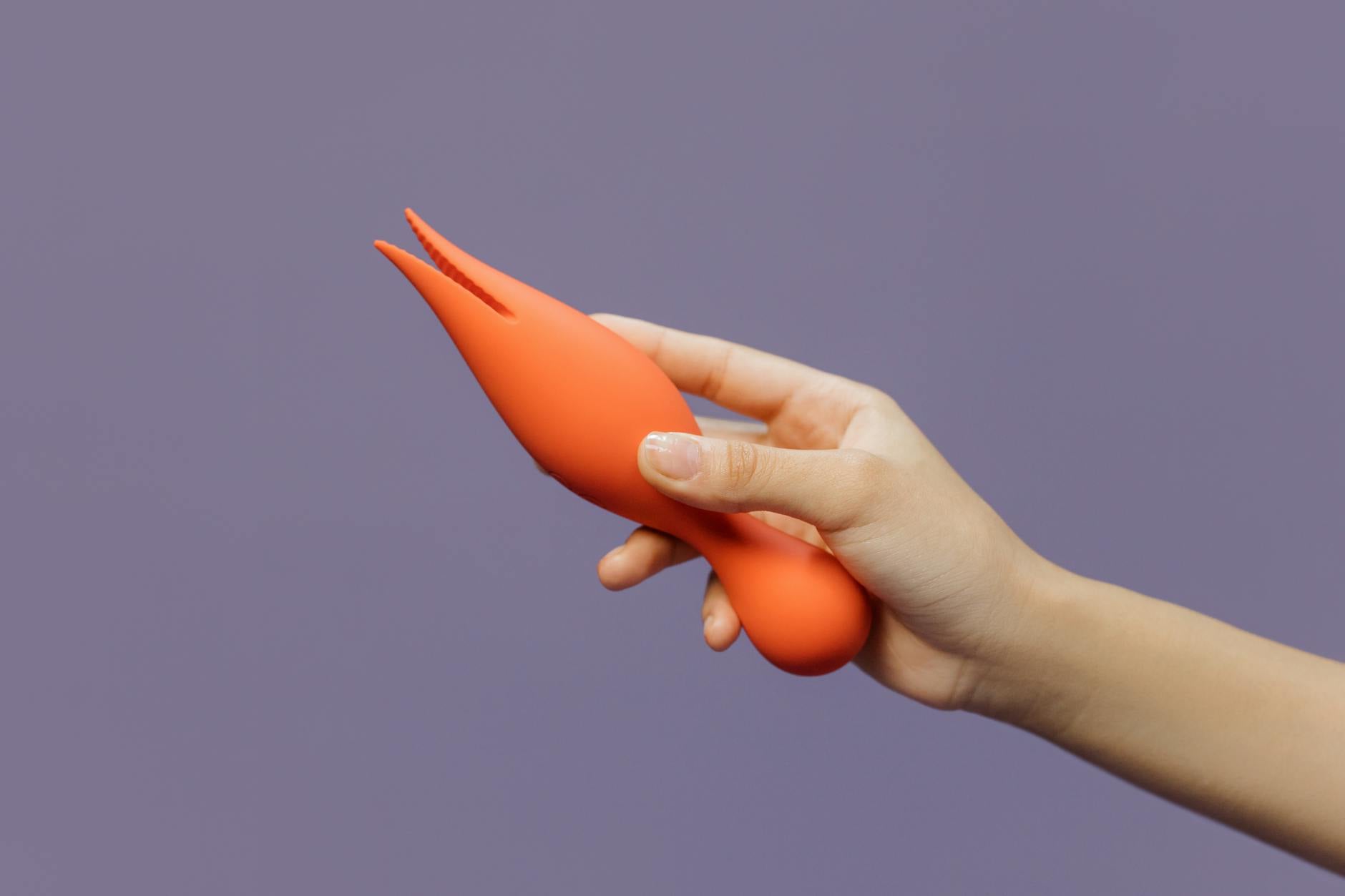
Unlike a standard vibrator, which delivers pure oscillation, a lemon sexual toy uses gentle suction pulsing. This mechanism activates different neural pathways than vibration alone. Suction creates a gentler, more rhythmic signal that your stressed nervous system is actually more likely to register. It's less aggressive, which means less perceived threat. Your body doesn't have to work as hard to let sensation in.
Second, the sensation from a lemon clitoral vibrator often bypasses the overthinking part of your brain. Suction feels so different from what you're used to that it can interrupt the cognitive loop that stress creates. You're not lying there thinking about your to-do list. You're suddenly paying attention to something your body has never felt quite this way before.
Third, and this matters: you have agency. You control the pace, the intensity, the pause. When stress has you feeling like everything is being done to you or demanded of you, having this one space where you're entirely in charge of the sensation and timing is its own form of nervous system reset.
How to actually use a lemon vibrator when you're numb
Start with environment over sensation. Before you touch yourself, regulate your body. Turn off notifications. Close the blinds. Lower the temperature slightly. Your nervous system reads environmental cues before it reads touch cues. Create a space that signals safety, not urgency.
Begin with breath, not the toy. Spend two to three minutes doing nothing but breathing slowly. In for four, hold for four, out for six. This alone shifts you from sympathetic to parasympathetic. Your body can't feel pleasure while it's still in fight mode. Don't skip this step just because it sounds boring.
When you do introduce the vibrator, start at the lowest setting. If you're used to powerful vibrators, this will feel almost ineffectual at first. That's the point. Your stressed nervous system needs time to recognize sensation as safe. Start at intensity level one or two on your lemon vibrator and stay there for at least five minutes. Notice what you notice. Is there any shift? Any slight warmth? Any return of sensation? These micro-signals matter.
Move slowly and deliberately. Don't try to race to orgasm. The goal here isn't climax. It's reconnection. Apply the suction gently to the outer edge of your clitoris first, not directly on it. Let your body remember that pleasure can be passive. You're not performing. You're receiving.
Use pause intentionally. Turn the toy off every 90 seconds or so. Notice what happens in the silence. Does sensation linger? Does your body ask for more? Does your mind settle? These pauses let your nervous system process that pleasure is safe. It's not an assault. It's not demanding. It's optional and responsive to you.
The mental work happens alongside the physical
Honestly though, a lemon clitoral vibrator is a tool, not a cure for stress. The real work is naming what's actually happening. You're not broken. Your body isn't rejecting pleasure. Your nervous system is doing its job by protecting you when you're overwhelmed. That protection is the problem, but it's not pathological.
While you're using the vibrator, let yourself feel whatever comes up. Maybe it's guilt that you're taking this time for yourself. Maybe it's frustration that your body isn't cooperating. Maybe it's just flatness. None of those feelings mean you're doing it wrong. They mean you're conscious enough to notice what's happening. That awareness itself is the beginning of change.
If you have a partner, one conversation to have is this: "Stress is making arousal harder for me right now, and I'm working on reconnecting with my body. I'm going to explore this alone for a bit." You don't owe your partner sexual availability. You don't owe them an explanation of what you're doing. But you do owe yourself honesty about what your body actually needs right now.
When stress is ongoing, consistency matters more than intensity
If the stress is temporary, using a lemon vibrator once or twice might be enough to remind your body what pleasure feels like. But if you're dealing with chronic stress—ongoing work chaos, family caregiving, financial uncertainty—you need a practice, not a one-off.
I recommend five to ten minutes with your lemon adult toy three or four times a week, at a time when you're least stressed. Early morning sometimes works better than night, when stress has accumulated. The consistency itself is therapeutic. Your nervous system learns: this is a safe space. This is available to me. This is mine.
Over time, the numbness usually lifts. Not because pleasure suddenly returns in a burst. But because your body remembers that sensation is possible, and your nervous system gets practice shifting out of protection mode. That's when arousal with a partner becomes possible again, too.
When numbness is about something deeper
If you've used these strategies for six to eight weeks and still feel completely flatlined, consider whether the numbness might be connected to something other than acute stress. Depression, certain medications, hormonal shifts, or past trauma can all create this kind of disconnection. A therapist, especially one trained in somatic work, can help you distinguish between temporary stress-induced numbness and something that needs additional support.
The same goes if sensation during solo exploration feels genuinely painful or creates anxiety. A lemon sexual toy shouldn't hurt. If it does, that's information worth paying attention to. Talk to a healthcare provider who takes sexual health seriously.
But for most people dealing with stress-induced arousal numbness, the combination of nervous system regulation, a gentler kind of stimulation like lemon vibrators offer, and permission to practice without pressure—that changes things. Your pleasure is waiting on the other side of this. It just needs you to create the conditions for it to return.
Frequently asked questions
How long does it usually take to feel arousal again after stress-induced numbness?
It depends on the intensity and duration of the stress. For acute stress (a tough month at work), you might notice shifts within two to three weeks of consistent practice. For chronic stress, give it six to eight weeks. Your nervous system rewires gradually, not overnight. Be patient with yourself.
Can I use a lemon vibrator while my partner is in the room?
Absolutely. Some couples find it helpful to have the partner present but not involved. Their presence can eventually become a safe part of the experience rather than something that adds pressure. You can set a boundary: "I want you here, but I need you to just be present and not initiate anything." Communicate beforehand about what comfort looks like.
Does this work if I'm also taking antidepressants that affect libido?
Lemon vibrators can help with antidepressant-related numbness, though usually in combination with other strategies. Talk to your prescribing doctor about whether a dosage adjustment or timing change might help. Sometimes switching SSRIs helps too. Vibrators are supportive, not a replacement for medical care around medication side effects.
Should I try to reach orgasm when using a lemon vibrator during stress, or just explore sensation?
For stress-induced numbness, I recommend skipping the orgasm goal entirely for the first month or so. Focus on sensation only. Is there tingling? Warmth? Any return of feeling? Once you notice those micro-sensations consistently, orgasm often follows naturally. Chasing climax when you're numb usually just adds frustration.
What if a lemon vibrator doesn't work for me?
Some people find suction gentler than vibration, and others find it overwhelming. If a lemon clitoral vibrator doesn't feel right, try slower vibration at very low intensity, or try focusing on touch without any toy. Everyone's nervous system is different. Experiment to find what actually helps your body shift back to parasympathetic mode.
Is there a difference between stress numbness and trauma-related numbness?
Yes. Stress numbness is usually temporary and reversible with nervous system regulation. Trauma-related numbness often involves dissociation or involuntary protective mechanisms that need trauma-informed therapy to address safely. If you have a history of trauma and numbness after stress, working with a trauma-specialized therapist alongside self-exploration is worth considering.