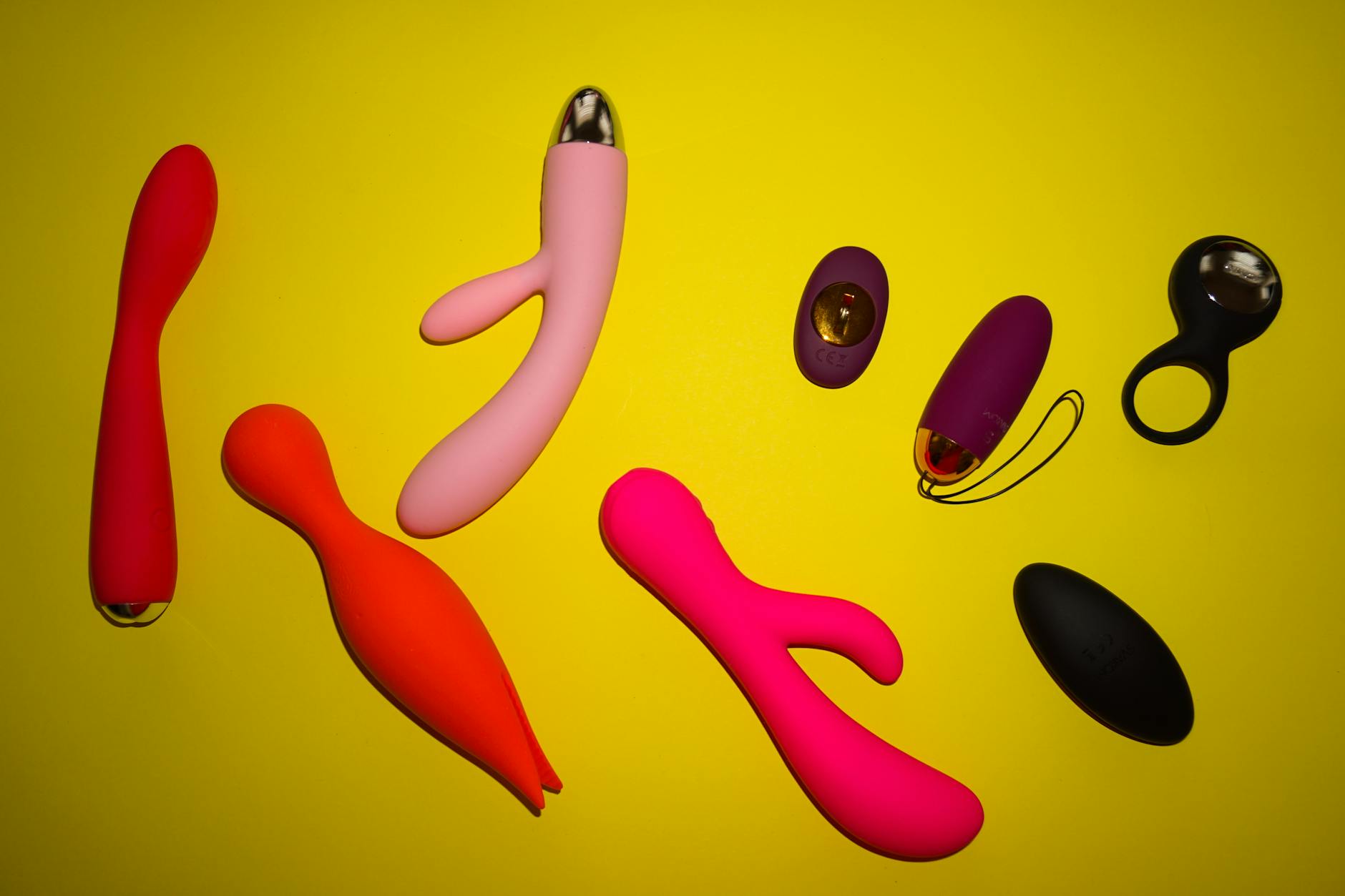
Here's the mismatch nobody talks about
One of you is ready in five minutes. The other needs twenty. Or one partner's arousal climbs steadily while the other's peaks suddenly, then flatlines. These timing gaps are completely normal, but they're rarely discussed openly, which means most couples try to force their bodies into sync instead of working with what's actually happening.
When arousal speeds don't match, two things typically happen. Either the faster partner waits (and feels frustrated or self-conscious), or the slower partner rushes (and the experience feels hollow). Lemon vibrators solve this without requiring either person to perform someone else's rhythm.
Why arousal timing feels different with partners
Your nervous system and your partner's are separate. Even if you're attracted to each other, even if you're relaxed and ready, arousal happens on its own timeline. Hormones, stress, medication, blood sugar, sleep quality, and even where you are in your cycle all affect speed. Add in different responsive patterns (some people need gradual buildup, others need sudden intensity), and you've got two separate timers running simultaneously.
Here's where most couples get stuck: they assume the mismatch means something is broken. One person thinks the other isn't attracted to them. The slower person feels pressure, which makes them even slower. The faster person starts holding back their own arousal to wait. Everything collapses.
Lemon vibrators interrupt this cycle because they decouple individual arousal from partnered arousal. You're not waiting for them. They're not rushing for you. You're each handling your own timeline, then meeting in the middle.
The arousal gap problem and how to map it
Before you introduce a lemon clitoral vibrator, actually talk about timing. Ask your partner: how long does it usually take before you feel genuinely ready? Not willing. Ready. There's a difference.
Then be honest about yours. No judgment, no negotiation yet. Just data.
If one of you consistently needs 10-15 minutes and the other needs 25-30, that's your gap. Once you can name it, you can design around it instead of against it. The person with the shorter timeline doesn't jump straight to penetration. The person with the longer timeline doesn't feel rushed just because their partner is ready. Everyone uses the time they actually need.
How lemon vibrators solve the arousal timing mismatch
Let's say your partner gets aroused faster than you do. You're still warming up while they're already fully ready. Here's the move: they use a lemon vibrator on themselves while you kiss them, touch them, or do whatever foreplay actually works for you. They're not waiting. They're not bored. They're actively pleasuring themselves while maintaining intimacy with you. You keep going at your pace, touching them the way you want to touch them, and by the time you're ready, the intensity in the room has already built.
Or reverse the scenario. You're ready quickly and they need longer. You start with a lemon vibrator on them. Not as replacement, but as acceleration. Lemon vibrators work better for partners with different libidos because they add direct stimulation without requiring your partner to do anything except receive pleasure. While you're building their arousal with the toy, you can also be present. You're kissing them, making eye contact, talking. The toy isn't creating distance. It's creating time for both of you.
The conversation that makes this actually work
You can't just introduce a lemon vibrator into the mix and expect it to magically align arousal. Your partner needs to understand this isn't about them not being enough. It's about honoring how their body actually works.
Frame it like this: "I've noticed we get ready at different speeds sometimes. That's not a problem, but I want us both to actually enjoy ourselves instead of one of us waiting or rushing. I want to try using a toy so we can both get what we need without anyone adapting their body."
Then listen. If they're worried about being replaced, hear that. If they feel like they're failing you sexually, that's real and it matters. The goal is collaborative, not solitary. You're building pleasure together, just with better tools.
Positioning and timing during solo play within partnered sex
This is practical: where do you actually use the lemon vibrator during sex if arousal speeds don't match?
If they're getting ready slower: start with external stimulation while you do other things together. They can use the vibrator on themselves while you're kissing, while you're inside them (if penetration is happening), or while you're using your hands. The vibration adds intensity without replacing other touch. Many couples find that direct clitoral stimulation with a lemon vibrator during penetration or during other foreplay actually makes the whole experience more connected, not less.
If you're getting ready slower: your partner can use a lemon vibrator on you while you're in foreplay together. Some people find it easier to relax and let arousal build when they're not trying to climax against a timeline. The vibrator does the work while you focus on kissing, on intimacy, on what you're actually feeling instead of on performing readiness.
The key is staying connected. Don't use the toy as a reason to scroll your phone or zone out mentally. Make eye contact. Touch other parts of their body. Narrate what you're enjoying. The toy is a tool that frees you from pressure, not a replacement for presence.
What actually happens to arousal when you use tools together
When both partners understand that arousal speed differences are normal and they're not personal failings, something shifts. There's less shame. Less performing. More actual feeling.
Using a lemon vibrator together also normalizes pleasure as something you both deserve. It says: my arousal matters as much as yours. Both our timelines are valid. We're not going to force either of us into a rhythm that doesn't work. And because of that, the actual sex tends to be better. Less resentful. More connected. More genuinely satisfying for everyone.
If one of you has clitoral sensation changes after hormonal shifts, that arousal gap might widen. A lemon vibrator becomes even more useful because it provides consistent, adjustable stimulation that doesn't require your body to cooperate exactly the way it used to.
When to use this approach and when to seek other help
If your arousal timing differences are about nervous system mismatch, this works. If one partner is dealing with low desire, depression, or medication side effects, a lemon vibrator helps but probably isn't the whole solution. You might also need to explore how lemon vibrators help with sensitivity after antidepressants or talk to a therapist about what's actually happening emotionally.
If one partner is always unavailable or unwilling, that's a different problem. A toy can't fix that. That's a conversation about whether you're compatible right now.
But if you're both willing and you're both attracted, and timing is the actual issue, lemon vibrators are genuinely effective. They're not a workaround. They're a solution.
FAQ
Will using a vibrator make my partner feel like I'm replacing them?
Only if you frame it that way. If you introduce it as "I want us both to feel good on our own timelines" instead of "you're too slow," the dynamic shifts completely. The vibrator isn't a replacement. It's a tool you're using together to honor both your bodies. Many couples find it brings them closer, not further apart.
How do I bring this up without making it seem like something's wrong?
Start small. "I read something about how couples use toys together when they get ready at different speeds, and I thought it might help us." You're not diagnosing a problem. You're offering a solution to something that's already happening. That's way less threatening than "we have an arousal mismatch."
Is it okay to use a lemon vibrator on your partner without asking first?
Absolutely not. Get explicit consent before you touch them with anything. "Can I use a vibrator on you?" is a complete, sexy sentence. Consent isn't a mood killer. It actually makes things hotter because everyone knows they're choosing to be there.
What if my partner is worried about the vibrator being too intense?
Start on the lowest setting. Let them hold it and get comfortable with it on themselves first. There's no rush. And honestly, lemon vibrators are often gentler than traditional vibrators because the suction mechanism is more diffuse than straight vibration. But every body is different, so go slow and let sensation build.
Can you use a lemon vibrator if one partner wants penetration and the other wants external stimulation?
Yes. You can be inside them and they can use a vibrator on their clitoris at the same time. Or you can both be using hands and one of you uses a lemon vibrator. There's no single "right" way. What matters is that you both get what you actually need, not what you think you're supposed to want.
What if we start using a toy together and it actually kills the mood?
Then stop and try something different. The goal is more pleasure and less pressure, not a specific tool. If the toy feels clinical or interrupts connection, don't force it. Maybe you just need to talk more about timing instead, or try a different approach. Pleasure should never feel obligatory.