Let's be real about what doubt does to desire
Relationship uncertainty doesn't just mess with your head. It hijacks your nervous system. When you're worried about whether your partner truly wants you, whether the relationship is solid, or whether you're still desirable after conflict, your body doesn't know the difference between that emotional threat and a physical one. Your arousal shuts down. Your orgasms feel distant or flat. And the more you notice it's not happening, the more anxious you get, which makes it even harder.
That feedback loop is real, and it's not a sign you're broken. It's a sign your body is responding exactly as it should to uncertainty. The question is how to rebuild trust in both your relationship and your own pleasure response.
Why doubt tanks arousal (the neuroscience part)
When you're experiencing relational doubt, your prefrontal cortex (the thinking part of your brain) stays locked in problem-solving mode. Meanwhile, your amygdala (the alarm system) is stuck on high alert. Orgasm requires the opposite: your prefrontal cortex needs to quiet down and your amygdala needs permission to relax. You can't negotiate your way into an orgasm.
This is why generic advice like "just relax" or "try harder" backfires spectacularly. You're not failing. Your nervous system is doing its job by refusing to let you drop into vulnerability with someone you're not sure about.
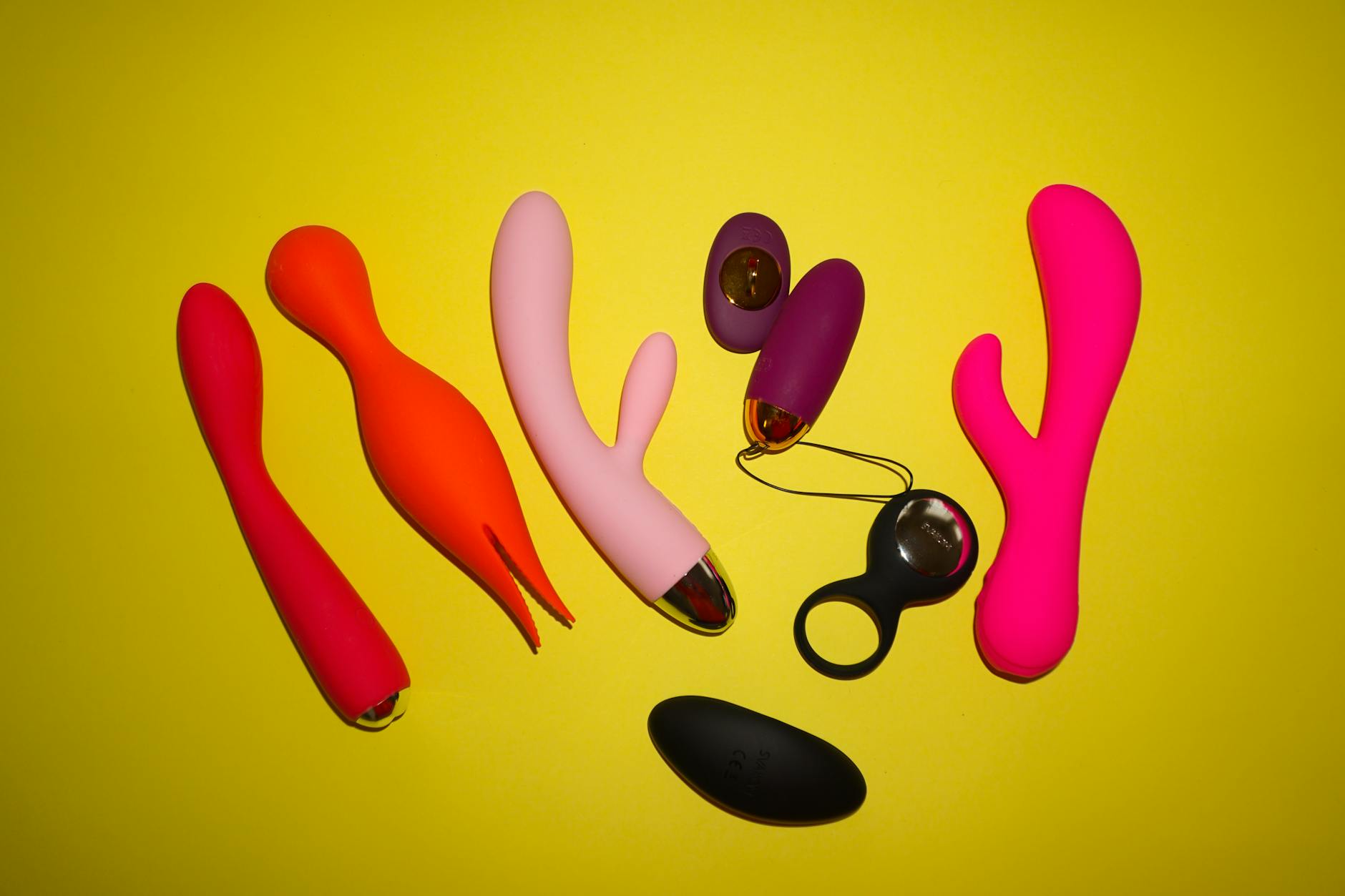
Here's the useful part. Lemon vibrators and other clitoral vibrators work because they bypass some of that mental chatter. The targeted stimulation activates your sensory pathways directly. Over time, this gives your nervous system evidence that pleasure is still accessible. It's a path back to yourself when doubt has made you feel distant from your body.
Starting solo before you include a partner
This is non-negotiable if relationship doubt is the issue. Using a lemon vibrator alone first serves a specific purpose: you're gathering data about what your body can do without the additional layer of performance anxiety that your partner's presence might create.
Set aside 20 to 30 minutes when you won't be interrupted. No phone. No thinking about the relationship, the conversation you need to have, or whether this is "working." This isn't about achieving anything. It's about noticing.
Start with your lemon clitoral vibrator on a lower setting. The beauty of lemon vibrators is that the suction mechanism means you don't need intense pressure to feel something. Move it slowly around the external clitoris, varying the pattern every 30 to 60 seconds. Pay attention to what patterns create sensation. Which ones feel good versus which ones feel like work.
Many people find that after relationship stress, their body needs permission to feel pleasure again. That permission often comes from solo exploration first. You're essentially saying to your nervous system, "This is safe. This is just for me. There's no performance here." That shift alone can unlock sensations that felt locked away.
The rhythm that helps when confidence is shaky
When doubt has dampened your arousal, the standard "build and build" approach often backfires. You're waiting for sensation to escalate, and when it doesn't, you feel more broken. Instead, try a different rhythm.
Start low and stay there longer than you think you need to. Spend 5 to 10 minutes at pattern 1 or 2 on your lem vibrator. Let your body get accustomed to the sensation without expecting it to be heading somewhere. This is resetting your nervous system's baseline for pleasure.
Then gradually introduce variation. Try pattern 3 for a minute. Back to pattern 1. Then to pattern 4. The switching itself becomes the stimulation. Your nervous system is learning that pleasure doesn't have to be a straight line. It can be interrupted, it can come back, it can shift and still be valid.
A lot of people report that after relationship conflict, their orgasms feel different. They might be less intense, or they take longer to arrive, or they feel delayed even after they happen. This stuttering rhythm actually mirrors what's actually happening in your body right now, which means it feels more honest than forcing yourself to climax the old way.
When to bring a partner back into the picture
This matters more than most advice will tell you. You're not ready for partnered pleasure just because you've had a good solo session or two. You need to feel genuinely curious about your partner's presence again, not just dutiful or eager to prove the relationship is fine.
Start with the lemon vibrator present but with your partner outside the action. They can be in the room while you use it. They're witnessing that you have access to pleasure without their direct involvement. This is actually deeply reassuring to a lot of partners because it removes the pressure that they have to "fix" your arousal.
Then progress to your partner using the lemon vibrator on you. There's an important distinction here. You're not trying to have an orgasm together yet. You're building comfort with their hands on the vibrator while you focus on sensation. Some people find it helpful to guide their partner's hand, not because they're directing the experience but because it keeps the focus on communication and presence rather than performance.
Only after that, if the doubt has genuinely started to resolve, is it time to explore lemon vibrators as part of partnered sex. And even then, it's not a requirement. Some people find that solo use with a partner present is where they get the most pleasure, and that's completely valid.
The conversation you need to have (separate from the sex)
Here's what doesn't work: assuming that having good orgasms will fix the relationship doubt. Or that bringing a vibrator into partnered sex proves the trust is restored. Both of those are magical thinking, and they'll burn you.
The doubt needs its own conversation. Not during sex. Not while using a lemon vibrator. Have it over tea, or on a walk, or in a therapist's office if the doubt is deep enough. Ask directly: What created this doubt? Is it something that happened in the relationship, or is it something you're bringing from your own history? What would rebuild trust feel like?
Use the lemon vibrator and solo pleasure as evidence that your capacity for sensation is still there. Use it as proof that your body is trustworthy even if the relationship feels uncertain right now. But don't use it as a substitution for the hard work of actually addressing what the doubt is about.
Many couples find that once they've had the real conversation, pleasure actually improves faster than they expected. The lemon vibrator becomes a tool for reconnection, not a band-aid covering unresolved conflict.
The physical resets that help
Beyond the vibrator itself, a few practical shifts can help your body reaccess arousal faster.
First, movement. Yoga, walking, dancing, anything that gets your body out of the freeze response that doubt creates. Your nervous system processes emotional threat through your body, which means it also resolves there. 15 minutes of movement before you use your lemon clitoral vibrator actually primes your nervous system for pleasure.
Second, temperature. A warm shower or bath before solo time with your vibrator helps you drop into parasympathetic mode (rest and digest) rather than staying locked in sympathetic mode (fight or flight).
Third, breathing. Slow exhales literally calm your amygdala. Before you use your lem vibrator, try 5 minutes of exhales that are longer than your inhales. 4 counts in, 6 counts out. Your body will shift.
These aren't substitutions for the emotional work or the relationship conversation. They're nervous system prep that makes the vibrator work better because your body is actually primed to feel pleasure.
FAQ: Common questions when doubt has dampened desire
How long does it usually take for orgasms to feel normal again after relationship doubt?
It depends on the doubt. If it's recent and the relationship is resolving, many people see shifts within 2 to 3 weeks of regular solo use with a lemon vibrator. If the doubt is deeper, or if the relationship issue isn't being addressed, pleasure often stays dampened. That's actually helpful information. It means your body is telling you something that needs to be heard. Using a lemon clitoral vibrator isn't about forcing orgasms to return before you're ready. It's about accessing sensation safely while you work through the actual issue.
Is it normal to not orgasm at all when using a lemon vibrator after relationship conflict?
Completely normal. Sometimes the nervous system needs time. Some people find that the first few weeks with a lemon sucker is about sensation, not orgasm. You're learning that your clitoris still responds, that pleasure is still possible, and that your body isn't broken. The orgasms will often follow, but they're not the only measure of success here.
Should I tell my partner I'm using a lemon vibrator to work through the doubt?
That depends on your relationship and what you're trying to accomplish. If you're using it as solo practice to rebuild your own confidence, you don't owe your partner play-by-play updates. If you're using it because the relationship doubt is about your partner not desiring you, or if transparency is important in your relationship anyway, then yes, telling them can actually help. It signals that you're actively working on rebuilding pleasure and trust. Just separate that conversation from the sex itself.
Can using a lemon vibrator alone actually help if the relationship problem isn't fixed?
It can help you access your own pleasure independent of the relationship status, which is valuable. It can also be a way to gather information about whether the problem is relational or something else. But if the doubt itself is unresolved, the vibrator is a tool for self-care, not a solution to the relationship issue. Keep them as separate conversations.
What if my partner wants to be involved but I'm not ready?
Your readiness matters more than their desire to help. Set a boundary and stick to it. "I need a few weeks of solo practice first. I'll let you know when I'm ready to include you." Most partners respect that. If they don't, that's information about the relationship itself.
How do I know if the doubt is about the relationship or about me?
Good question. Use your lemon clitoral vibrator solo for two weeks. If sensation returns, if orgasms become more accessible, and if pleasure feels less like a performance, the doubt is likely relational. If nothing changes, or if your body keeps shutting down even in solo use, the issue might be something else. Depression, medication side effects, hormonal shifts, or past trauma all tank arousal. A therapist or doctor can help you sort that out.
The path forward is solo, then shared
Relationship doubt is a nervous system response to perceived threat. Lemon vibrators work because they give your body evidence that pleasure is still within reach, independent of whether the relationship feels solid right now. That evidence matters. It rebuilds your trust in your own body, which is the foundation for rebuilding trust in partnership.
Start with solo use. Notice what your body can do. Then, only when you're genuinely curious again, bring your partner back in. And separate the conversation about the relationship doubt from the conversation about pleasure. Your body will thank you.