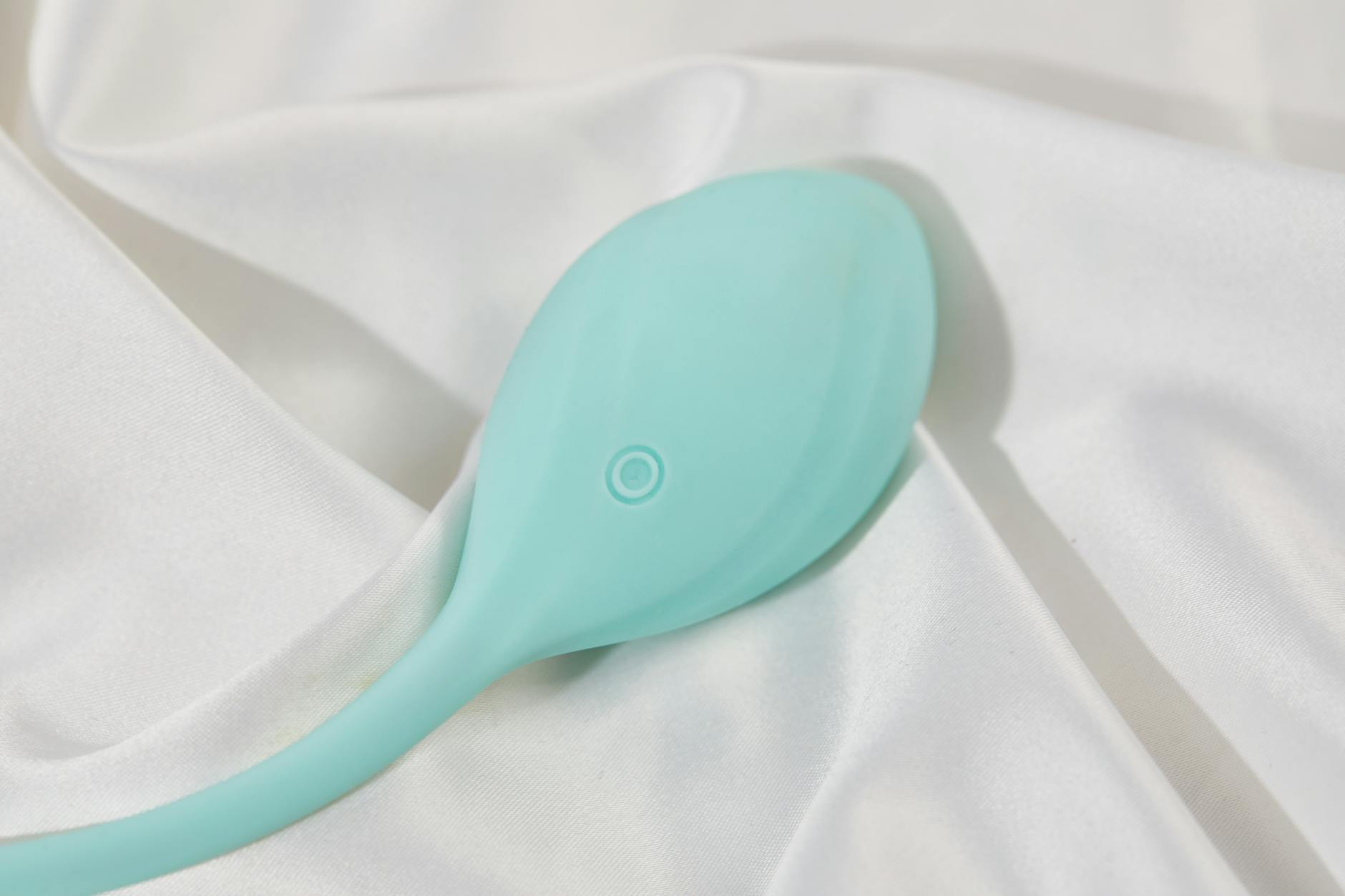
How to Use a Lemon Vibrator as a Beginner Couple
Honestly? The hardest part isn't figuring out the lemon vibrator itself. It's having the conversation before you pull it out.
Most couples who introduce a toy into their sex life skip the actual discussion and just hope it lands well. That almost never works. But when you do the work upfront, a quality clitoral vibrator like a lemon sucker can genuinely deepen what you already have together. I've watched thousands of couples move from nervous to genuinely connected after their first time using one together.
Here's what I tell people who are about to try this for the first time.
Why couples bring lemon vibrators into sex (and why you're not alone)
Let's start with the part nobody says out loud: introducing a toy doesn't mean anything is "missing" from your partnership.
What it does mean is that you're both curious. You want to feel new things. Maybe one partner finishes faster than the other and you want more options. Maybe someone has a hard time orgasming through penetration alone and you want to solve that together instead of separately. Maybe you just want to play around and see what happens.
All of those are good reasons. None of them mean your relationship is broken. In fact, couples who talk openly about what they want and then actually try new things together tend to have better communication across the board. Not because of the toy. Because of the conversation.
The conversation before the toy
This is the part that matters more than the vibrator itself.
You don't need a three-hour dinner date to make this work. You need five minutes of actual honesty. Here's what I recommend saying, roughly:
"I've been thinking about trying [lemon vibrator / a clitoral vibrator] together. I'm curious about it, and I think it might feel good. What do you think?"
Then actually listen to the answer. Your partner might be excited. They might be hesitant. They might feel insecure. All of those are normal responses, and they all need different conversations.
If they're hesitant: ask why. Is it about the toy itself, or about what the toy represents? Those are two completely different conversations. "I'm worried it won't feel good" is answerable. "I'm worried this means you don't want me anymore" is something you actually need to address.
If they feel insecure: that's real, and it deserves honesty back. Tell them specifically what turns you on about them and why you want to explore this with them, not instead of them.
The toy is a tool. The conversation is the actual intimacy.
Choosing the right lemon vibrator for couples play
When you're using a clitoral vibrator as a couple, you want something that works for different hands, different pressures, and different positions. Not all lemon vibrators are made equal for partnered use.
Look for these qualities:
Ergonomics that aren't gendered. A toy shouldn't be shaped for one person's hand. Lemon-shaped clitoral vibrators tend to have a wider, flatter design that works whether your partner is holding it or you are. That flexibility matters more than you'd think.
Quiet enough to focus. If it sounds like a dental drill, you'll both be distracted by the noise instead of the sensation. Quality lemon sucker toys tend to run quieter because of how the motor is designed.
Waterproof or at least splash-resistant. Lube happens. Sweat happens. You want something you can actually clean and not panic about.
Multiple settings, but not overwhelming. Three to five vibration patterns is the sweet spot for beginners. Too many options and you'll spend fifteen minutes scrolling through settings instead of actually connecting.
If you're just starting out, you don't need to overthink this. A solid entry-level lemon clitoral vibrator works just fine for couples exploration.
The actual positioning and pacing that works
Okay, so you have the toy and you've talked. Now what.
Start with what you already know feels good. Don't reinvent your entire sex life the second you introduce a vibrator. Use it as an addition to what you already do, not a replacement.
Here's the typical flow:
Foreplay as usual. Kiss, touch, whatever your normal warm-up looks like. The toy comes later, not at the beginning. This matters because it gives you both a baseline sense of pleasure before you layer in the vibration.
Let them guide it first, if it's their body. There's a big difference between "here, hold this" and "I want to show you what feels good." If your partner is receiving the vibrator on their clitoris, let them control it initially. They know their own body better than you do. You can always take turns once you understand the angles and pressure that work.
Start at the lowest setting. Seriously. Even if they say they want more, start low. Your body adapts to vibration faster than you'd think, and jumping straight to high intensity can actually numb sensation. Work your way up.
Pay attention to what changes. If their breathing changes, if they shift their hips, if they go quiet instead of vocal, those are all signals that something is landing. Not all signals mean "keep doing exactly this." Some mean "something shifted, pay attention."
Let penetration happen naturally, or not. Some couples use the vibrator solo. Some use it during partnered penetration. Some use it on a non-penetrative partner while the other partner does something else. There's no "correct" version. Do what feels natural.
Common mistakes couples make (and how to skip them)
I've worked with enough couples to know where people usually trip up on their first time.
Thinking the vibrator should do all the work. It doesn't. Your hands still matter. Your attention still matters. The vibrator amplifies what you're already doing; it doesn't replace your presence.
Going silent. Communication doesn't stop when the toy comes out. If anything, you both need to talk more. Is this feeling good? Do you want more pressure or less? Do you want to switch positions? These aren't mood killers. They're connection points.
Assuming it should feel the same as manual stimulation, just stronger. It won't. Vibration is a different sensation entirely. If they're used to a certain type of touch, they might need time to adjust to the feeling of a lemon clitoral vibrator. That's not a failure. That's normal.
Making the first time a performance. You don't both need to orgasm. You don't need a specific outcome. The goal on the first try is just to get comfortable with the toy existing in your sex life. Everything else is a bonus.
When to use it, when to skip it
A good vibrator isn't something you use every single time. That's not how bodies work.
Some sessions will be for deeper connection without toys. Some will be for quick pleasure. Some will be specifically to explore the vibrator. They're all valid.
Use it when both of you actually want to, not because you feel like you should. The moment it becomes obligatory is the moment it stops being fun.
One thing I do recommend: once you've used it successfully as a couple, don't lock it away like it was a one-time experiment. A lemon vibrator that stays accessible, that both of you know how to use, that doesn't come with a whole emotional process, tends to become a natural part of your intimate life over time. It stops being "that one time we tried something" and becomes just another tool in your shared pleasure.
After the first time: what to talk about
When you're done, don't just roll over and pretend it didn't happen.
Take five minutes, while you're still close, and actually debrief. What felt good? Was there anything that didn't? Did you like the sensation, or did it feel weird? Would you want to try it again? Would you change anything?
These conversations don't have to be elaborate. They can be simple. "That was really hot" or "I felt weirdly insecure at first but then I got into it" are both valuable feedback.
What matters is that you're not leaving this experience in silence, assuming you both felt the same way. You probably didn't. And that's the information that makes the next time even better.
Lemon vibrators for couples: the bigger picture
Introducing a clitoral vibrator into your partnership is one of those moments that feels bigger than it is in the moment and smaller than it sounds when you're planning it.
You're basically saying: I trust you enough to be curious with you. I want to feel good. I want you to feel good. I'm willing to try something new to make that happen.
That's actually what intimacy is. Not the toy. The choice to explore together.
If you're still in the research phase and want to understand what makes lemon vibrators work differently than other designs, we've got a full breakdown of why lemon vibrators work better for sensitive clitoral tissue. And if you're trying to figure out which vibrator actually fits your body and preferences, the best lemon clitoral vibrator for sensitive skin guide walks through how to choose.
But honestly? The most important part is the conversation. Start there. The vibrator will follow.
People also ask
Is it normal to feel insecure when your partner wants to introduce a toy?
Completely normal. A lot of people hear "toy" and internally translate it to "I'm not enough." That's not usually what it means. What it usually means is "I want to explore more pleasure, and I want to do it with you." Those are different things. If you're feeling insecure, say that directly instead of pretending you're fine. That's the conversation that actually matters.
How do you know if a lemon vibrator is right for couples, or if you should try something else?
Lemon vibrators and other clitoral vibrators tend to work better for couples because they're designed for external stimulation, which is easier to use together than penetrative toys. The shape of a lemon sucker also makes it easier for both partners to hold and control. If you're just starting, a lemon clitoral vibrator is honestly a solid first choice.
What if one person wants to use the vibrator and the other doesn't?
Then that's actually fine. Not every sexual experience needs to involve both partners in the same way. One partner can use a vibrator while the other does something else. Or one partner uses it and the other watches. Or one partner uses it solo and the other isn't involved at all. The partnership is where the communication happens, not necessarily in every single sexual moment.
How often should couples use a vibrator together?
There's no rule. Some couples incorporate it into most sexual experiences. Some use it occasionally when they're in the mood to try something specific. Some use it a lot at first and then less frequently once the novelty settles. Let your actual desire guide you instead of trying to hit some benchmark.
Can using a vibrator together actually improve a relationship?
Not by itself. But the process of talking about what you want, trying something new together, and being vulnerable enough to explore can strengthen a relationship. The toy is just the vehicle for that conversation. If you can't talk about pleasure, you probably can't talk about other hard things either. So yes, it can help. But the help comes from the openness, not from the vibrator.
What's the difference between using a lemon vibrator together versus solo?
When you're alone, you're optimizing entirely for your own pleasure and sensation. When you're with a partner, you're also managing connection, communication, and their pleasure. A lemon vibrator works for both contexts, but the intention is different. Solo use is about knowing yourself. Partnered use is about exploring together. Both are valuable.
Your next steps
If you and your partner are ready to actually try this, here's my advice: pick a time when you're both relaxed and not rushed. Have the conversation. Buy something you feel good about. Don't make it a big production. Start simple. Pay attention to what feels good. Talk about it afterward.
That's it. That's the whole process.
If you have questions as you go, we're here to help. You can always reach out and ask. And if you want more detailed guides on how to use specific tools or how to talk to your partner about pleasure, we've got those too.
Your partnership deserves this kind of curiosity and care. Go explore it.