Here's the thing about IUDs and pleasure
You get an IUD inserted, and within weeks someone asks how sex is. Most people say "fine," which is true but incomplete. What they often don't mention is that something shifted. Not pain exactly. Something softer. Your body responds differently to touch. Arousal might take longer. Orgasms might feel sharper or softer or just different. Your partner notices. You notice. And nobody really talks about it.
The reason it happens is worth understanding because it changes what actually helps.
What hormonal IUDs do to sensation
A hormonal IUD releases a small amount of progestin directly into your system. Not as much as the pill, but enough to change how your body registers sensation and arousal. Progestin can lower testosterone, which plays a major role in desire and clitoral sensitivity regardless of your anatomy. It also affects blood flow to the genitals, which means arousal builds more slowly and the tissue responds differently to stimulation.
A copper IUD works differently but gets similar results. Without hormones changing desire itself, copper can increase inflammation and cramping during your cycle. That inflammation can make the pelvic floor tighter, which compresses nerves and changes how much sensation reaches your clitoris. You're not broken. Your nervous system is just getting a new signal.
Both versions can also create what feels like numbness or delay in reaching orgasm. You're stimulated, you're turned on, but something between your brain and your body feels muted. That's vascular and neurological. It's fixable with the right approach.
Why lemon vibrators adapt better than traditional toys
Most vibrators work through direct friction and vibration intensity. That assumes your tissue wants to be stimulated the way it was before your IUD. It doesn't. The tissue is more sensitive to pressure but sometimes less responsive to intensity.
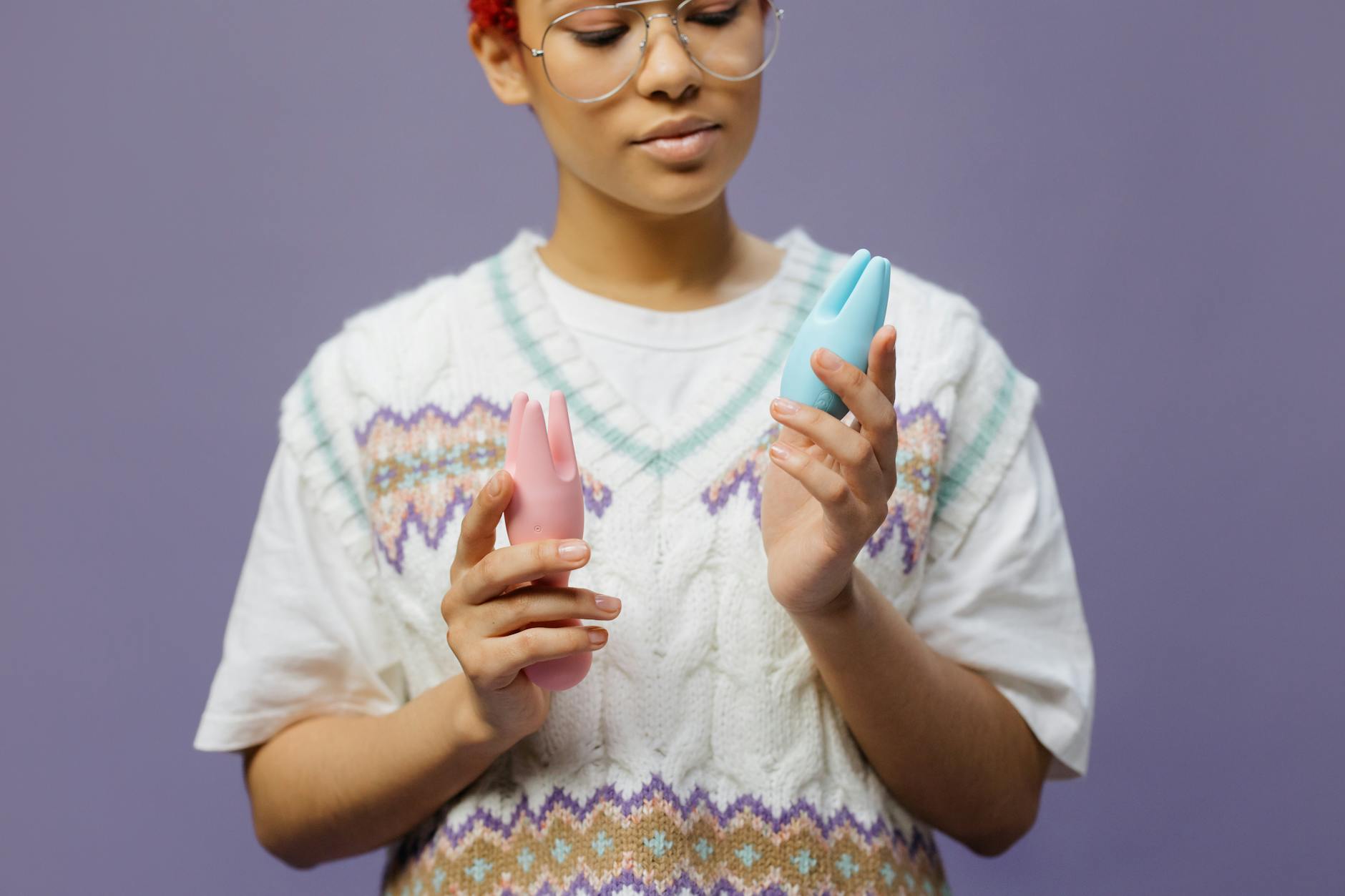
Lemon vibrators use suction and pulsing patterns instead. That's a crucial difference. Suction stimulates the thousands of nerve endings in your clitoris without relying on the same mechanical pressure. You get sensation and response from a completely different pathway. It's not bypassing the numbness. It's using a channel that works.
For people with a hormonal IUD especially, this matters. Your body is already processing smaller amounts of sensation due to lower testosterone. A traditional vibrator demands more from an already-dampened system. A lemon vibrator meets your tissue where it is now, not where it was before.
The timeline of adjustment
Most people need about 4-6 weeks after IUD insertion to figure out what their new normal is. Week one through three, everything feels tender and foreign. Week four, insertion pain settles, but sensation still feels scrambled. By week six, your body has adapted to the device itself, and you're clearer on what's actually shifted with pleasure.
That's the window where experimenting with a lemon clitoral vibrator makes sense. Not because you've failed to orgasm with your old toys, but because you're trying to have a conversation with a new body, and the old toys are speaking the wrong language.
If you're using a copper IUD and noticing tightness in your pelvic floor (especially during your period), give it a full cycle. One month lets you see the pattern. By month two, you'll know whether that tightness is acute or chronic, and whether it changes your pleasure or just creates awareness of something that's always been there.
How to start if sensation feels delayed or flat
Three key changes from what you might have done before:
1. Patience with warm-up. Your arousal isn't broken. It's just slower now. Budget 20-30 minutes of foreplay or solo play before you use any toy. Your body needs time to shift into an aroused state. Jumping straight to a lemon vibrator on speed three when you're not actually aroused yet will feel ineffective. Start with touching, kissing, or just presence. Then introduce the toy when you feel your body responding.
2. Start at lower patterns. A lemon vibrator like the one from Hello Nancy's Lems Shop typically has multiple suction patterns. Patterns 1-3 are where most people with an IUD start. Not because you can't handle more, but because suction is intense compared to vibration. Your nervous system needs to recalibrate to what fullness feels like at a lower intensity before you ramp up.
3. Use lube intentionally. A hormonal IUD can reduce natural lubrication. Even if your tissue feels wet, adding a water-based lubricant changes how suction feels on your clitoris. It reduces friction and makes the seal tighter, which actually makes sensation richer. It sounds counterintuitive but trust it.
What copper IUD users should know
Copper IUDs don't change your hormones, so why does sensation shift? Usually it's pelvic floor tension. The body tightens around the copper device, which compresses the pelvic nerves. That compression creates a kind of numbness that feels like delayed response.
If that's you, warming up your pelvic floor before sex matters more than it would have before. Deep breathing, a few minutes of pelvic floor relaxation (not kegels, the opposite of kegels), and gentle stretching all help. Then a lemon vibrator works beautifully because suction doesn't demand the same direct pressure that traditional vibrators do. You get stimulation without asking tight tissue to relax more than it can.
Many copper IUD users also report that the first few days after their period are their sweet spot for pleasure. Hormones shift, the uterus contracts and then settles, and sensation opens back up. Knowing that rhythm helps you set expectations and choose the right times to explore.
When to see a doctor
Sensation shift is normal. Pain during sex is not. If you're experiencing cramping, sharp sensations, or pain during or after sex that didn't happen before your IUD, that's worth mentioning to the provider who inserted it. Sometimes the IUD is positioned in a way that affects nerve pathways. Sometimes there's underlying inflammation that needs treating.
If pleasure is completely gone three months after insertion, that's also worth checking. A good gynecologist can rule out IUD complications and discuss whether your specific device is the right fit for your body.
The bigger picture
Your IUD is doing its job. It's preventing pregnancy reliably. The fact that it also changes how pleasure feels is a side effect, not a feature, but it's real and it's manageable. Getting a lemon vibrator isn't settling. It's not a workaround for broken pleasure. It's meeting your actual body with a tool designed for how it works now, not how it worked before.
That's the whole point. You deserve pleasure that fits who you are right now.
People also ask
Do hormonal IUDs permanently change your ability to orgasm?
No. Your nervous system adapts to the hormones, and most people find their pleasure normalizes after the adjustment period. Some people report that orgasms feel different even after 6-12 months, but different is not the same as diminished. You're often just experiencing a shift in intensity or pattern, not a loss of capacity. If you remove your IUD later, sensation typically returns to your baseline within weeks.
Will a lemon vibrator feel different if I have a copper IUD versus a hormonal one?
Slightly. With a copper IUD, the shift is usually about pelvic floor tension, so suction works by reducing the demand on tight tissue. With a hormonal IUD, the shift is about reduced blood flow and sensation, so suction creates a new pathway for stimulation. Both benefit from lemon clitoral vibrators, but for slightly different reasons. The same toy works for both, which is one of its strengths.
How long after IUD insertion should I wait before using any vibrator?
Wait at least two weeks for the cramping and tenderness to settle. After that, you can experiment, but start gently. Your body needs time to integrate the device. That said, using a lemon vibrator during your period in month two or three can actually help you understand what's normal sensation versus what's IUD-related tightness.
Can suction vibrators make cramping worse?
Not if you use them outside your period. During your period, when cramping is active, it's usually worth skipping any toy. After your period ends and you've had a few days of normal sensation, a lemon vibrator typically feels good. The suction actually helps some people relax their pelvic floor, which can reduce ongoing tension from the IUD.
What if sensation is completely numb even after three months?
That might mean your pelvic floor is gripping very tightly, or there's a hormonal response that's stronger in your body than typical. Both are manageable. A pelvic floor physical therapist can teach you how to release tension. If it's hormonal, adjusting the timing of when you engage with pleasure, or discussing IUD options with your provider, might help. You don't have to live with numbness.
Are lemon vibrators safe to use with an IUD in place?
Completely. Lemon vibrators are external and work on the clitoris. Your IUD is internal. There's no contact between them. The only caution is the same as with any toy: clean before and after, use water-based lube, and listen to your body. If anything feels wrong, stop and check in with your provider.
References and sources
Material in this article draws on clinical research in sexual medicine and IUD physiology, conversations with people who use hormonal and copper IUDs, and evidence-based practices in relationship and sexual health coaching. For detailed medical information about your specific IUD, consult your gynecologist or a provider specializing in sexual health and contraception.
For more on adapting pleasure across life changes, read about how <a href="/blog/how-to-use-lemon-vibrators-when-clitoral-sensation-changes-after-hormonal-shifts">lemon vibrators work when clitoral sensation changes after hormonal shifts</a> and why <a href="/blog/why-lemon-vibrators-work-better-than-traditional-vibrators-for-sensitive-skin">lemon vibrators work better than traditional vibrators for sensitive skin</a>. If you're navigating this with a partner, <a href="/blog/how-to-introduce-lemon-vibrators-to-anxious-partners-who-worry-about-replacement">how to introduce lemon vibrators to partners who worry about replacement</a> might help open the conversation.