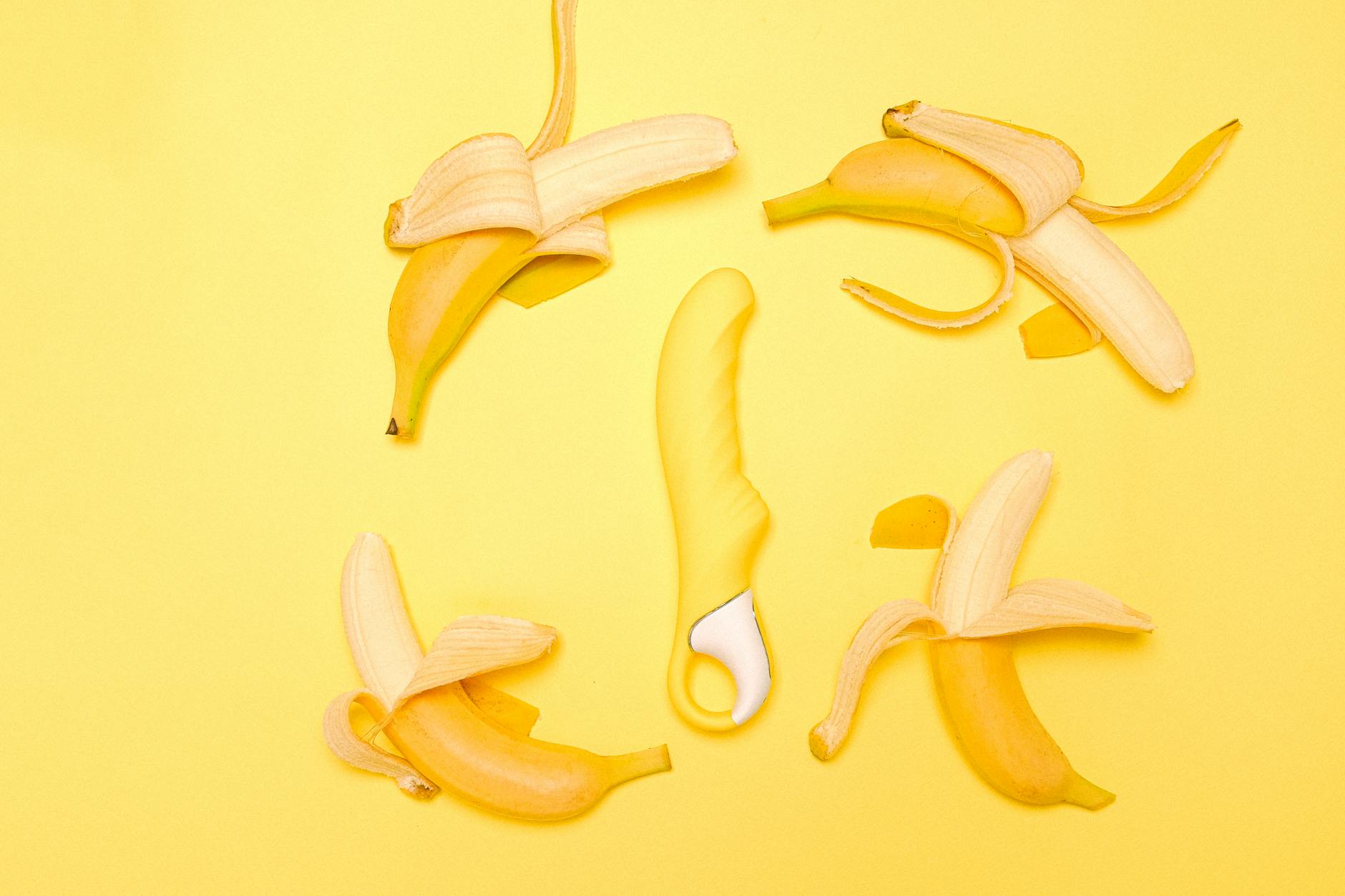
How Lemon Vibrators Increase Pleasure and Sensitivity for Partners With Reduced Physical Sensation
Let's be real. When physical sensation fades, it's easy to assume pleasure fades with it. But numbness and reduced responsiveness aren't dead ends. They're signals that your nervous system needs a different kind of input to wake up.
Here's what I see in my practice: partners with reduced sensation often have the most transformative experiences once they find the right tool. Lemon vibrators, specifically, work because they deliver precision stimulation at frequencies that bypass dampened touch receptors and activate deeper nerve clusters. This isn't magic. It's neurology.
Why sensation gets stuck in the first place
Reduced physical sensation can happen for a bunch of reasons. Medications (especially certain antidepressants, blood pressure drugs, or antihistamines). Autoimmune conditions. Spinal compression. Diabetes. Long-term stress or anxiety that keeps the nervous system locked in fight-or-flight mode. Sometimes it's just years of touch that didn't feel good enough to register deeply.
The common thread: your nerve endings are still there. Your brain hasn't forgotten how to feel pleasure. What's happened is the pathway between them has gotten sluggish. Regular vibration (the kind you get from a partner's hand, or even a basic buzzing toy) often doesn't cut through that sluggishness. It just vibrates on the surface.
Lemon clitoral vibrators work differently. They use air-pulse suction technology instead of traditional vibration. Instead of buzzing against tissue, they create rhythmic pressure waves that wake up deeper nerve clusters in the clitoral complex. That's why people often describe the sensation as sudden clarity after years of fuzz.
The science of suction versus vibration
Your clitoris has about 8,000 nerve endings. Most of them aren't on the surface. They're in the bulbous roots that sit deeper in the tissue. When sensation is muted, surface-level vibration often doesn't reach deep enough to trigger them.
Air-pulse technology creates a gentle suction and release cycle. That pulse travels through tissue layers that regular vibration can't efficiently penetrate. For people with reduced sensation, this means the pathway gets activated by a signal their nervous system actually registers as arousal.
The result? What felt numb suddenly feels sharp. What felt distant suddenly feels present.
When numbness is tied to relationship stress
Here's something I need to say gently: sometimes reduced sensation isn't purely physical. Emotional distance, unresolved conflict, or resentment builds a psychological barrier that manifests as physical numbness. Your body literally stops processing touch the way it used to because your nervous system learned to protect itself.
In these situations, lemon vibrators do something unexpected. By offering sensation that bypasses the old patterns of touch, they can reset the nervous system's baseline. It's not about replacing a partner. It's about interrupting the feedback loop long enough to rebuild trust in pleasure itself.
Many couples I work with introduce a lemon clitoral vibrator during this phase and find it's actually a bridge back to each other, not away from each other.
How to use them when sensation is reduced
Start with patience. This is the opposite of "grab the toy and go." Three things matter here.
First, use it solo at first. Get comfortable with the sensation before adding a partner's attention. Try it on the lowest settings. Let your nervous system learn to recognize the pulse without overwhelming it.
Second, combine it with intentional breathing and mental focus. Reduced sensation often comes paired with dissociation. Your mind checks out because your body isn't signaling much. When you use a lemon vibrator, you're training your attention back into sensation. That mental component is half the work.
Third, vary the pressure and placement. Don't just sit it in one spot. Explore the outer edges of the clitoris, the hood, the area below it. Different zones have different nerve densities. When some areas feel numb, others might light up immediately.
The pleasure rebuild timeline
I rarely see this overnight. Here's what realistic progress looks like.
Week one: you might feel something new, but it's hard to describe. Different, not necessarily better yet.
Week two to three: specific areas start to feel more responsive. You notice patterns in what works.
Week four and beyond: sensitivity builds. Orgasms often return, sometimes with greater intensity than before because your nervous system is working harder to reach that threshold.
Some people regain sensation within days. Others take months. The nervous system isn't a light switch. It's a muscle that needs consistent, gentle activation.
When to combine it with professional help
If numbness came on suddenly or alongside other nerve symptoms, that's a GP conversation first. Some causes (trapped nerves, medication interactions, thyroid shifts) need medical attention before a pleasure device is going to help much.
If the numbness feels tied to anxiety or trauma, a somatic therapist or sex therapist is worth the investment. Lemon vibrators are a tool, not a replacement for processing what your nervous system is protecting you from.
If a partner is involved, couples therapy can help you both understand whether the reduced sensation is physiological, relational, or both. That clarity changes everything about how you approach it together.
The long-term sensitivity shift
Here's what surprises people most. After a few months of regular use, some folks report that their baseline sensation shifts. Not just during solo time with the lemon vibrator, but during partnered touch too. Their nervous system recalibrates.
This isn't because the toy is magical. It's because you've given your nerves a clear, repeatable signal of what pleasure feels like. Your brain starts to expect that signal. Regular touch becomes better at landing in that same groove.
FAQ
Can a lemon clitoral vibrator help with medication-related numbness?
Often, yes. If your reduced sensation came on after starting a medication, talk to your prescriber first. Sometimes dosage adjustments or timing changes help. But while you're working on that, a lemon vibrator can keep your nervous system engaged. It's not fixing the medication effect, but it's preventing the nervous system from forgetting how to respond to pleasure entirely.
How long does it take to feel a difference?
Most people notice something different in the first few uses. But meaningful sensitivity improvement usually takes 3-6 weeks of regular use. Your nervous system is relearning a pathway, and that takes repetition. Think of it like physical therapy for pleasure.
Is it normal to feel almost nothing the first time?
Completely normal. If your sensation has been reduced for a long time, the first experience might feel like turning up the volume on a radio that's been off. It's there, but your brain needs to adjust to registering it. Start low, go slow, and give yourself grace.
What if my partner feels insecure about the lemon vibrator?
This is relationship work, not toy work. A lemon vibrator isn't replacing them. It's waking up a part of your nervous system that's been dormant. Honest conversation helps: "This isn't about you. This is about me reconnecting with a part of myself I've lost." If insecurity persists, that's a couples therapy conversation. See our guide on how to introduce lemon vibrators to anxious partners who worry about replacement.
Can I use a lemon vibrator if I also use antidepressants?
Yes. Sexual side effects from SSRIs are real, but they're not a contraindication for using a vibrator. In fact, air-pulse stimulation often works better than other toys precisely because it bypasses the dampened sensation. If numbness from medication is severe, ask your prescriber about adjusting timing or dosage. A lemon vibrator can be part of the solution, not the whole solution.
What if I have vulvodynia or chronic pelvic pain?
This one needs professional guidance. Reduced sensation sometimes coincides with nerve pain conditions, and the wrong tool can aggravate things. Talk to a pelvic physical therapist or vulvovaginal pain specialist first. They can tell you if suction-based stimulation is safe for your specific situation. For many people with these conditions, gentle lemon vibrators are actually better than others because they don't require firm pressure.
The real takeaway
Reduced sensation doesn't mean your capacity for pleasure is gone. It means your nervous system needs a clearer signal to wake back up. Lemon clitoral vibrators provide that signal in a way most other tools can't. They work at a frequency and pressure pattern that reaches deeper, bypasses old patterns, and reminds your body what pleasure is supposed to feel like.
Your pleasure matters. Even when it feels distant. Especially then. Start here: how to use lemon vibrators when sensation feels numb or delayed. If you have questions about whether a lemon vibrator is right for your specific situation, reach out. We're here to help you find your way back to sensation that feels real.