Your surgeon cleared you six weeks post-op. Your scars are healing. Physically, you're fine. But when you try to feel pleasure again, something's off. Maybe sensation is muted. Maybe arousal takes longer to build. Maybe orgasms feel weaker or don't happen at all. You start wondering if your surgery broke something permanent.
Cosmetic gynecology procedures alter tissue structure. Even when surgeons work carefully to preserve nerve pathways, the rearrangement of tissue, temporary inflammation, and scar formation inevitably shift how sensation travels to the brain. The clitoris itself may be repositioned slightly, nerve endings can be temporarily numbed by inflammation, and the surrounding tissue that contributes to arousal gets reorganized.
This is temporary in most cases, but the timeline is longer than most people expect. Full nerve regeneration after tissue trauma takes three to six months. Some people feel changes for up to a year.
Here's what you're likely experiencing: reduced sensation around the surgical site, delayed arousal, weaker or absent orgasms, or a disconnected feeling during sexual touch. This is common and treatable.
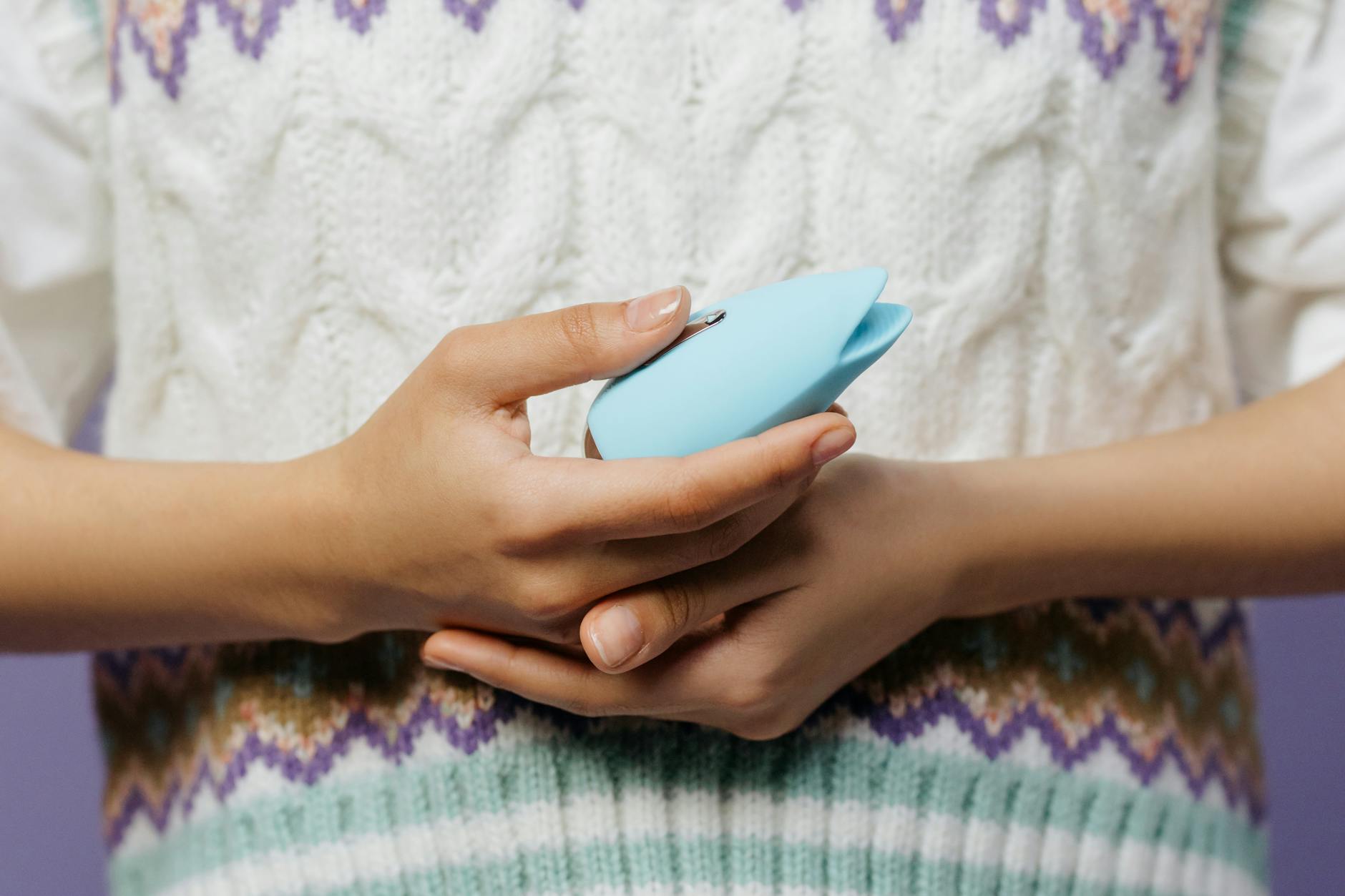
Air-suction technology (like the lemon vibrators Hello Nancy's Lems Shop offers) works differently than traditional vibrators. Instead of mechanical friction against tissue, suction draws blood flow to the clitoris and stimulates nerve endings through gentle vacuum rather than direct pressure.
For post-surgical bodies, this matters. Fresh scar tissue is sensitive to direct vibration. Aggressive stimulation can trigger protective tension in your pelvic floor, which actually reduces sensation further. Suction technology bypasses that problem entirely.
The lem vibrator's design pulls sensation upward through layers of tissue, engaging deeper nerve pathways that route around surgical sites. You're essentially using a different neural pathway to recreate pleasure, which means you're not fighting against inflammation or scar irritation.
Lemon clitoral vibrators also generate arousal more efficiently. Because suction mimics the sensation of oral sex, your brain recognizes it as inherently pleasurable without needing intense stimulation to get there. That's crucial when your post-surgical clitoris is overly protective.
Phase 1: Nervous system soothing (weeks 6-8 post-op). Don't aim for orgasm yet. Use your lemon vibrator on the lowest setting for five to ten minutes, focusing on calm, exploratory sensation rather than climax. The goal is to reintroduce pleasure signaling without triggering protective tension. Think of it as massage, not stimulation.
Phase 2: Sensation mapping (weeks 8-12). Explore which intensity levels and patterns feel good without causing pain. You might find that settings 2-3 on the lem vibrator produce pleasure while settings 4-5 feel raw. That's your recovery roadmap. Spend 10-15 minutes exploring without pressure to finish.
Phase 3: Arousal rebuilding (weeks 12-16). Now you can introduce longer sessions and build toward orgasm. Use sensations you discovered in Phase 2, but give yourself 20-30 minutes and permission to move slowly. Many post-surgical people find that orgasms return gradually. Your first few might be subtle. That's normal.
Phase 4: Confidence restoration (16+ weeks). By now, most people have rediscovered arousal and orgasm, though sensation might still be slightly different than pre-surgery. Continue using lemon vibrators or clitoral vibrators that feel good to you, because consistent pleasure actually speeds up full nerve regeneration. Use it or lose it applies to post-surgical recovery too.
Here's something nobody warns you about: the emotional weight of surgical change. You chose this procedure for reasons that made sense at the time. Maybe aesthetics mattered, maybe function, maybe both. But post-surgery, your brain often separates the choice you made from the unfamiliar sensation you're experiencing now.
That gap creates protective tension. Your pelvic floor tightens, your arousal system gets cautious, and sensation stays muted. I see this with almost every post-surgical client. The body becomes guarded until the mind catches up.
Using a lemon vibrator in this phase is partially physical recovery, but it's also a signal to your nervous system: this body is safe. Pleasure is allowed. You get to have sensation again, and it's going to be different and that's okay.
Take your time. Don't rush phases. If you need to spend four weeks in Phase 1 instead of two, that's actually the smarter choice. Your nervous system will integrate the change faster if you don't push.
If you're at eight weeks post-op and feeling any sharp pain during or after stimulation, talk to your surgeon. Some scar tissue formations need attention.
If you're at four months and sensation still hasn't returned at all, ask your surgeon about nerve conduction studies. Occasionally, during surgery, a nerve gets caught or damaged in a way that needs intervention. This is rare, but worth ruling out.
Use lube. Even though your clitoris doesn't need lubrication the way a vaginal opening does, water-based lubricant on and around the suction cup creates a better seal and reduces friction against healing scar tissue. It's a tiny shift that makes a real difference.
Warm up first. Spend 10-15 minutes in foreplay, under warm water, or just with partner touch before you introduce the lemon vibrator. Post-surgical tissue responds better to gradual stimulation than cold start.
Track what works. Keep mental notes (or actual notes) about which intensity, which pattern, which time of day produces the best sensation. You're building a new map of your body. Once you know what works, repetition teaches your nervous system to expect that pleasure, which speeds recovery.
Avoid multitasking during recovery. Your brain needs bandwidth to integrate sensation. Put the phone away. Close your eyes. Slow down. You're literally retraining your nervous system to recognize pleasure, and that works better with full attention.
Consider rebuilding pleasure during perimenopause if surgical recovery overlaps hormonal changes. Estrogen drops affect scar tissue flexibility, so if you're in perimenopause while recovering from surgery, you might benefit from different intensity levels than if you were pre-menopausal.
Most people regain full sensation within four to six months. Some take closer to a year. And some notice that their sensation landscape is actually different and better than before, because they've had to slow down and learn their body in a new way.
That difference isn't a failure. It's just what post-surgical recovery looks like sometimes. Your clitoris still works. Your arousal system still works. You're just rebuilding the connection in real time.
Lemon vibrators and other clitoral vibrators help because they meet your nervous system halfway. They don't demand intensity. They don't require direct pressure. They just invite sensation back, gently and consistently, until your body remembers how to receive pleasure again.
Wait until your surgeon clears you for any penetrative or external sexual activity. That's typically four to six weeks. Once cleared, start with Phase 1 exploration at week six. If your surgeon gave you a specific timeline, stick with that. Every surgery is different, and your surgeon knows your particular case.
Not if you're in Phase 1 or 2 and using low intensity. The suction action actually increases blood flow to the area, which supports healing. Start gently, avoid any setting that causes pain, and you're supporting recovery rather than interfering with it. Pain signals mean you should stop and wait longer before that intensity level.
Completely normal. Your tissue structure changed, which changes how sensation builds and releases. Some people report weaker orgasms initially, then stronger ones later once full healing happens. Some report they feel more localized instead of full-body. Some say they actually feel better than before because they've learned to be more intentional. There's no single "right" way orgasms should feel post-surgery, just your new normal.
Yes, but the recovery timeline might be longer because vaginoplasty involves deeper tissue work. Follow the same phased approach, but give yourself more time between phases. And because vaginoplasty typically addresses internal sensation as well, you might notice that external clitoral stimulation with a lem vibrator feels more intense sooner because the overall system is hypersensitive during healing. Start even lower on intensity settings and adjust upward very gradually.
Stop and give yourself more time. Pain is your body's signal that something isn't healed enough yet. Using a lemon vibrator shouldn't hurt. If it does, you're either going too high on intensity or you need another week or two before that phase is appropriate. This isn't a race. Patience now prevents setbacks later.
Yes, especially if you want partner involvement during recovery. Most partners appreciate knowing they're supporting healing, not just foreplay. It also helps them understand why sensation might be different or why arousal is slower. If you're rebuilding sensation solo first and then bringing a partner back in, that's a totally valid approach too. There's no one right way to navigate this.
Using a lemon vibrator during post-surgical recovery isn't settling for less pleasure. It's actively, intelligently supporting your nervous system through one of the most profound physical changes your body will experience. Sensation returns. Arousal returns. Pleasure returns. Sometimes faster than you expected, sometimes slower, but it comes back.
You made a choice about your body. Now you get to reclaim pleasure in that body, slowly and on your own timeline. That's not compromise. That's self-care.
If you have questions about which lemon vibrators work best for recovery, or if you'd like to talk through your specific situation, reach out to us. We've helped people through this before.
"Sensation and Sexual Function After Labiaplasty: A Systematic Review," Plastic and Reconstructive Surgery (2021). Examines nerve preservation techniques and post-operative sensation outcomes across multiple studies.
Goodman, Michael P. "The Sexology of Female Sexual Dysfunction After Cosmetic Gynecologic Surgery," Journal of Sexual Medicine (2018). Explores psychological and physiological factors affecting arousal and sensation post-procedure.
"Pelvic Floor Muscle Activation and Recovery After Gynecologic Surgery," International Urogynecology Journal (2020). Documents protective tension patterns and evidence-based recovery approaches.
Groysman, Vladimir & Levin, Roy H. "Role of Clitoral Glans Size, Shape, and Sensitivity in Female Orgasm," Clinical Anatomy (2019). Details clitoral nerve distribution and suction technology effectiveness in sensation restoration.