Let's be real about obligatory sex
Sex stops being fun the moment it becomes a box to tick. You know the feeling. Friday night rolls around, you're both tired, there's a vague sense that "we should," so you do. No real desire, no build-up, no discovery. Just going through the motions and hoping it's over soon enough that you can both pretend you enjoyed it.
When this pattern sets in, couples think the problem is desire. It's usually not. The problem is that sensation has flatlined, expectation has calcified, and the entire experience feels like a chore instead of a reason to be close.
Why routine kills physical intimacy
Here's what happens neurologically. Your brain learns patterns. After enough predictable sequences with low stimulation, your nervous system literally stops paying attention. The same touch that once felt electric becomes background noise. This isn't laziness or a dying relationship. It's neurobiology.
Add to that the emotional layer. When sex feels obligatory, resentment builds quietly. Your partner starts to sense that you're doing them a favor rather than sharing something you want. They feel that hesitation. Resentment bounces back. Suddenly you're both in it for the wrong reasons, and your body knows.
The fix isn't more effort or guilt. It's novelty and genuine sensation.
Why lemon vibrators change the game for couples
Lemon clitoral vibrators work differently than traditional toys. The suction-based stimulation of devices like the Lem creates a sensation pattern your nervous system hasn't learned to tune out. It's not repetitive friction. It's rhythmic pressure that activates nerves your body has been dormant toward.
When you introduce something that genuinely feels new, three things happen simultaneously.
First, attention returns. Your brain stops autopiloting and actually engages with the sensation. You're not thinking about the grocery list or work email. You're present.
Second, pleasure reconceptualizes. A lemon sucker or similar lemon sexual toy teaches your body that pleasure can arrive in different forms. This matters because couples often get stuck in muscle memory. You know one way that works, so you keep doing that one way, and it stops working. A lem vibrator disrupts that loop.
Third, the dynamic shifts. Introducing a clitoral vibrator into partner sex changes the power structure slightly. It's not about him doing something to you. It's about both of you collaboratively creating sensation. That's collaborative, not obligatory.
How to introduce it without pressure
This is the part couples get wrong. They buy a toy, feel awkward, and make it weird.
Instead, separate the conversation from the act. Don't present it as "we need to fix our sex life." Frame it as curiosity and play. "I saw this thing and thought it might feel interesting. Want to try it together sometime?" That's it. No agenda, no pressure, no implication that the current situation is broken.
Many couples I work with find that introducing a lemon adult toy feels less threatening than expected because it's not a replacement for anything. It's an addition. Your partner doesn't disappear. The intimacy between you doesn't get outsourced. The toy just makes the sensations clearer.
Start low. The Lem and similar lem vibrators have intensity settings. Most couples begin at pattern one or two, which feels gentle and exploratory rather than intense. You're rediscovering sensation together, not competing with it.
Set zero performance expectations the first time. Some couples find it works immediately. Others need two or three attempts before comfort kicks in. That's completely normal.

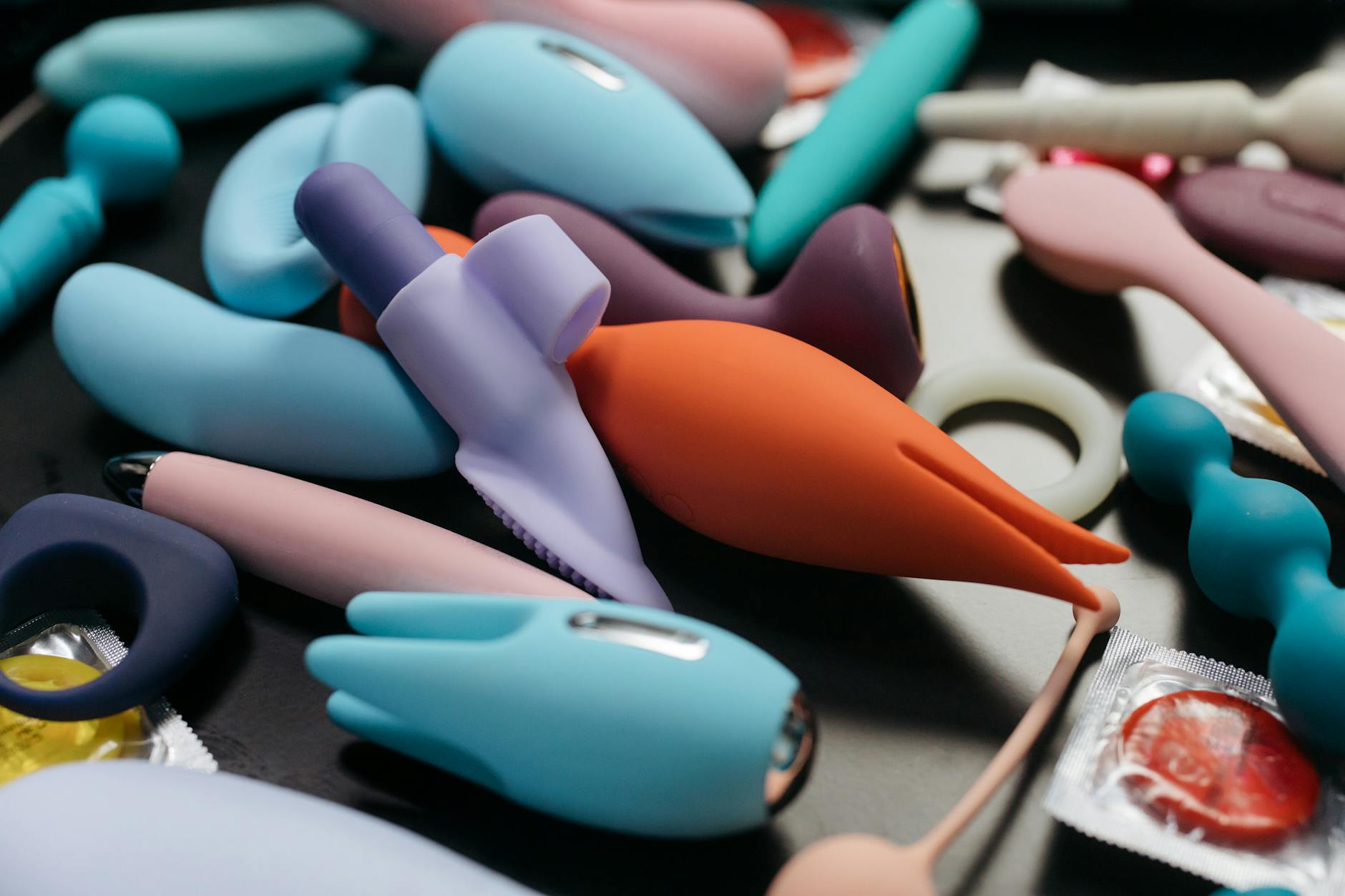
Photo by Madison Inouye on Pexels
The emotional work alongside the physical tool
Here's what people miss. A lemon clitoral vibrator won't fix a dead relationship. But it can reset a stuck one.
If the real issue is deeper resentment, distance, or fundamental incompatibility, no toy fixes that. You need to actually talk about what pulled you apart. That's relationship work, not vibrator work.
But if you're a couple who loves each other, stays physically close in other ways, and just got bored with sex, then yes. A clitoral vibrator can absolutely reignite things. Because the barrier isn't love. It's sensation that stopped registering.
As you reintroduce novelty, also reintroduce conversation. Not clinical debriefing. Just "that felt different" or "I liked when we tried x." This feedback loop is how couples move from obligation to genuine interest.
What shifts when sensation returns
Once couples get past the awkwardness phase with lemon sexual toys, something subtle happens. Sex starts feeling optional again. Which sounds counterintuitive, but it's actually the goal. When something feels optional, you choose it. When you choose it, you're genuinely present. When you're genuinely present, it's actually good.
Many couples also discover that using a lemon sucker or similar device together creates a kind of shared focus. Instead of each person worrying about their own performance, you're both invested in the sensation being good. That collaboration often brings them closer emotionally, not just physically.
Some couples integrate the lem vibrator into regular sex. Others use it as foreplay. Some keep it as an occasional tool they pull out when they want to feel that novelty again. There's no right way. The point is reclaiming sex as something you do because you want to, not because you should.
When to seek additional support
If introducing toys doesn't shift things, that's useful information. It tells you the barrier isn't sensation. It might be trust, unresolved conflict, or mismatched desire that needs therapeutic attention.
A couples therapist trained in sexual issues can help you untangle what's really happening. Sometimes the "we don't have sex anymore" conversation is actually about something else entirely. A good therapist helps you find what that something is.
You might also explore whether medication, hormone levels, or stress patterns are playing a role. These factors often show up as low desire or difficulty with sensation. A physician who takes sexual health seriously can rule out the medical piece.
But most of the time, when couples who genuinely care about each other and have just gotten stuck introduce novelty in the form of lemon vibrators or other clitoral vibrators, things shift. Not overnight. But noticeably.
The real work is deciding you want this
The hardest part of rebuilding intimacy isn't the toy. It's deciding that your partner's pleasure and your own actually matter. That sex isn't something you owe each other. It's something you get to share.
Lemon clitoral vibrators just make that easier by proving that sensation can still surprise you. Once you remember that, the rest follows.
People also ask
Will using a lemon vibrator make my partner feel inadequate?
Not if you frame it correctly. A toy isn't a replacement for your partner. It's an enhancement of what you already do together. Most people feel less inadequate once they understand that the goal is shared pleasure, not comparison. When you use a lem vibrator together, you're collaborating toward something better, not replacing them with something better.
How do I bring up lemon clitoral vibrators without making it awkward?
Treat it like any other new experience you want to try together. A simple "I'm curious about this, want to explore it with me?" works. The awkwardness usually comes from treating it like a big deal or a symptom of a broken relationship. Keep it light and low-stakes. If they're not interested right now, that's okay. You can revisit it later.
Can we use a lemon sucker during sex, or only during foreplay?
Both, depending on what feels comfortable. Some couples integrate it into the main event. Others use it as foreplay to build sensation before other activities. Some do both on the same night. Experiment and see what creates the most pleasure and connection for you both.
What if my partner has never used a vibrator before?
Start with low intensity and give them time to adjust. Many people are surprised by how different suction-based devices like the Lem feel compared to traditional vibration. Take breaks. Check in. Let them control the intensity if they want to. The first experience doesn't need to be perfect. It just needs to be exploratory.
If lemon vibrators don't help, does that mean our relationship is in trouble?
Not necessarily. It means novelty alone isn't enough to shift things. That's actually helpful information. It tells you that the barrier is deeper, which means you might benefit from talking to a couples therapist or a physician who specializes in sexual health. Sometimes the problem is stress, medication side effects, or unresolved conflict. Sometimes it's just that the two of you need to have a real conversation about what you both want.
How do I know if my partner will be open to trying lemon sexual toys?
You ask. Seriously. A real conversation is better than guessing. "I've been thinking about ways we could reconnect physically. I saw this and was curious. Would you be interested in trying it?" Their answer tells you everything. They might surprise you with enthusiasm. They might need time. They might have reservations you haven't heard yet. All of that is worth knowing.
The bottom line
Sex shouldn't feel obligatory. When it does, both partners lose. But obligation isn't permanent. It's a sign that novelty and genuine sensation have faded. Lemon vibrators and clitoral vibrators offer a concrete way to reset that pattern, to remind your nervous system that pleasure is still possible, and to show your partner that you want to be close in a way that actually feels good.
The toy is just the starting point. The real work is deciding together that your intimacy matters enough to invest in rediscovering it. Once you make that decision, the rest becomes possible.
If you want to explore this further or need guidance on navigating these conversations with your partner, Hello Nancy's Lems Shop has resources and the community to support you. You can also reach out to discuss what might work best for your relationship.