When distance becomes a third person in the room
Let's be real. Emotional distance doesn't announce itself. It creeps in quietly. One of you stops reaching for the other in bed. Sex becomes obligatory or disappears entirely. You share a mattress but not much else. The worst part isn't the physical separation. It's the quiet understanding that you're no longer sure how to touch each other anymore.
This is the moment couples therapists see over and over. The distance didn't start with sex. Sex became the casualty of distance that started somewhere else. A betrayal, months of traveling, parenting young kids, financial stress, or just the slow drift of two people living separate emotional lives under the same roof. By the time you want to fix it, desire feels like a foreign language.
Here's what I've learned working with couples for decades: reconnection isn't a conversation that happens in the living room and then magically fixes the bedroom. It's something you have to build back piece by piece, often starting with the most vulnerable act of all. Not talk. Touch.
Why regular sex doesn't repair distance
When a couple has been emotionally distant, trying to just "get back to having sex" often fails. Here's why. Sex that happens without a bridge feels like performance. One person is trying to be good at it. The other is wondering if they still want to. Nothing about it is connective. Nothing about it feels like coming home.
This is where most couples get stuck. They assume the fix is frequency. Have sex more often. But frequency without presence is like exercise without joy. You're just checking a box.
What actually rebuilds connection is novelty combined with vulnerability. When you introduce something new into the bedroom, it creates a small moment of honest surprise. Neither of you is performing a script you've both memorized. You're both actually present because neither of you knows exactly what's about to happen.

Photo by Madison Inouye on Pexels
How lemon vibrators create a conversation instead of a performance
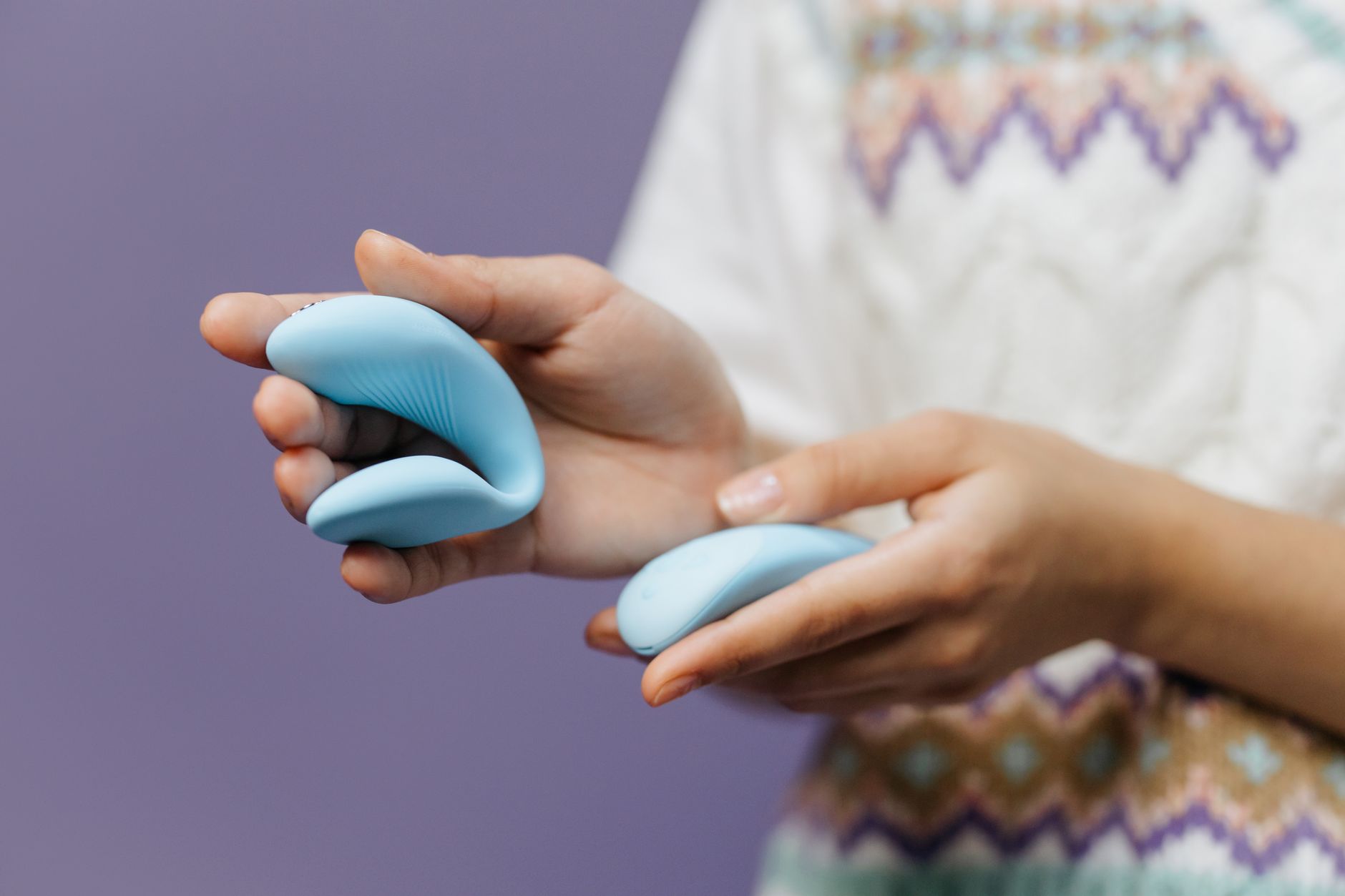
Here's the practical part. Lemon clitoral vibrators like the Lem work differently than regular vibrators. They use suction and pulsing rather than traditional buzzing. The sensation is gentler, more focused, and honestly, more interesting. That difference matters for reconnection.
When you introduce a clitoral vibrator to a couple who's been distant, something shifts. You can't ignore each other. One partner isn't just receiving. The other isn't just performing. It becomes collaborative. "Does this feel good?" becomes a real question instead of something you're supposed to already know the answer to.
The Lem specifically has 12 intensity levels. That means you're both actually making choices together. Which pattern feels good right now? Do you want it gentler? This isn't a solo experience. It becomes a conversation happening in your bodies instead of in words.
I've had couples tell me that using a lemon clitoral vibrator for the first time was when they remembered why they liked each other. Not why they loved each other. Why they actually liked each other. That's the bridge.
The permission piece (why this matters more than you think)
Distance in a relationship often comes wrapped in shame. One person feels rejected and stops initiating. The other person feels guilty and pulls back further. You're both protecting yourselves, which makes sense, and also makes reconnection feel impossible.
Introducing a new tool removes some of that weight. Using a lemon sexual toy together isn't about fixing what broke. It's about trying something that has no history, no baggage, and no script.
For the person who's been withdrawing, it can feel safer to say "let's try this" than "I want us to be close again." That admission is too vulnerable when you're not sure you'll be welcomed. But touching together with something new? That's a lower-risk way of saying "I want to try again."
For the person who's been feeling rejected, this is permission to stop performing. You're not responsible for making this work alone anymore. You're both exploring something unfamiliar. The pressure shifts.
The neuroscience of reconnection through pleasure
This part is important, so listen. When your brain experiences a novel sensation, it releases dopamine. Dopamine doesn't just feel good. It creates a sense of bonding with whoever is present during that experience. Your partner becomes associated with pleasure that felt new.
After months or years of distance, your partner might be associated with disappointment or avoidance instead. Using a lemon clitoral vibrator together literally rewires some of those associations. Not permanently. But enough to open a door.
For a person with reduced sensation (which happens after prolonged distance and avoidance), a lemon sucker vibrator works faster than traditional options because the suction engages differently than buzzing alone. That means the sensation is more likely to feel genuinely pleasurable rather than just noticeable. Real pleasure is what creates real connection.
How to actually introduce this to your partner
Okay, so you want to try this. Here's what actually works, not what sounds good in theory.
First: don't spring it on someone during sex. Have an actual conversation outside the bedroom when you're both clothed and clear-headed. "I've been thinking about us. About how we've been distant. I read something about how couples who've been apart sometimes reconnect better when they try something new together. I found something I'd like to try with you."
Second: make it collaborative from the start. This isn't you doing something to them. It's both of you trying something together. Ask what they think. Ask if they're curious. Ask if they need time to think about it.
Third: when you do use it, start slower than you think. The whole point is presence, not intensity. Lower settings. Longer warm-up. Actual conversation during. "How does this feel?" is not pillow talk. It's a real question you actually want answered.
Fourth: don't expect it to fix everything in one night. This is one conversation in a longer reconnection. It might take several times of using a lemon clitoral vibrator together before the distance actually feels smaller. That's normal.
What happens after the pleasure part
Here's what I notice with couples who rebuild connection this way. After using a lemon sexual toy together, they're more likely to actually talk about what's been wrong. Not during. After. When you've been vulnerable together in a new way, conversations about hurt feel less impossible.
You might use the tool once and discover you don't actually want to rebuild this relationship. That's valuable information. You might use it and realize the distance was about something specific you can actually fix. Also valuable.
Or you might use it and remember that you actually like this person. That there's something worth protecting. That physical closeness is possible again, and with it, emotional closeness.
The lemon clitoral vibrators aren't magic. But they're a practical way to create a moment where you're both present, both learning something new, and both choosing each other. That choice is what heals distance. Not the toy. The choice.
When to get professional help too
Here's the honest part. If the distance came from betrayal, or if one person is unwilling to reconnect, or if there's been abuse, a vibrator isn't enough. You need a couples therapist. Really.
But if the distance is from drift, from stress, from months of not prioritizing each other, from the slow erosion of touch, from forgetting how to want each other. Then yes. A lemon clitoral vibrator might be the small permission both of you need to start again.
You deserve reconnection with the person you chose. And sometimes that reconnection starts not with words, but with something new to discover together.
FAQ: Reconnecting After Distance With Lemon Vibrators
How soon after emotional distance can we try using a clitoral vibrator together?
There's no fixed timeline, but I usually suggest waiting until you've had at least one real conversation about what happened and some genuine willingness to try again from both partners. If someone's still furious or deeply hurt, introducing a toy can feel tone-deaf. Give it a few weeks, maybe a month. But don't wait for everything to be perfect. That day won't come.
What if my partner says no to trying a lemon vibrator?
That's information. It might mean they're not ready to reconnect yet. Or it might mean they need a different way in. Ask why specifically they're saying no. Is it about vibrators in general? Is it about sex feeling vulnerable right now? Is it about not feeling ready? Listen to the actual objection. Sometimes the answer is "let's do this differently." Sometimes it's "I'm not ready yet, and that's okay."
Can using a lem vibrator fix a relationship that's broken for other reasons?
No. Reconnection through shared pleasure is one tool. It's not a fix for incompatibility, ongoing betrayal, abuse, or fundamental value differences. What it can do is create a moment where reconnection feels possible, which might give you both the motivation to do the deeper work. But the work itself requires therapy, honesty, and both people genuinely willing.
Should we talk during, or is quiet focus better?
Most couples need a mix. Some check-in questions at the start. Quiet focus in the middle. And conversation after, not during. Some people find it easier to talk during because it reduces performance pressure. Find what works for you both. But "How does that feel?" shouldn't be a performance question. Actually wait for the answer.
Is there a specific setting on the Lem that works best for reconnection?
Start low. Maybe patterns 2 through 5. The goal isn't the most intense sensation. It's being present together. Higher settings can feel overwhelming, especially if sensation has been absent for a while. You can always go up. It's harder to come down from overstimulation once you're already there.
What if we try this and it makes things worse?
That would tell you something important. Either one of you isn't actually ready, or there's a deeper incompatibility about physical intimacy. That's not a failure. That's clarity. You might benefit from working with a therapist to understand what got triggered. But sometimes reconnection attempts reveal that the distance was a symptom of something that can't be fixed with novelty alone.
The real thing
Distance in a relationship doesn't get smaller by ignoring it. It doesn't get fixed by forcing normal sex when touch feels like a risk. It gets smaller when both people decide to be vulnerable again in some new way. A lemon clitoral vibrator isn't the fix. The choice to try, to be present, to remember each other as lovers instead of just roommates. That's the fix.
Reconnection starts with permission. And sometimes that permission comes from something as simple as trying something new together.